
What affects the cost of an industrial rail spur?
Understand the scope behind a rail spur estimate: civil work, track materials, turnouts, railway interfaces, access, and commissioning.
- Published
- Reading time
- 2 min
The short answer
Industrial rail spur cost depends on the alignment, ground conditions, track length, turnouts, materials, crossings, railway interfaces, and scope boundaries. A price per metre without those details can be misleading. Start with a concept plan and separate track construction from civil work and other project costs.
An industrial rail spur budget needs a defined project. Two tracks of the same length can involve very different earthworks, turnouts, road crossings, railway interfaces, and operating constraints. Before asking for a unit price, establish what the estimate is meant to include.
Separate the project into packages
Ask your project team to distinguish design and approvals, civil works, track construction, railway connection work, and commissioning. Confirm who supplies each package and where the responsibilities meet. A track construction proposal can be useful without being a complete development budget, provided the boundaries are clear.
The main cost questions
- Alignment and ground: What survey and ground information is available? Who designs and builds the formation and drainage?
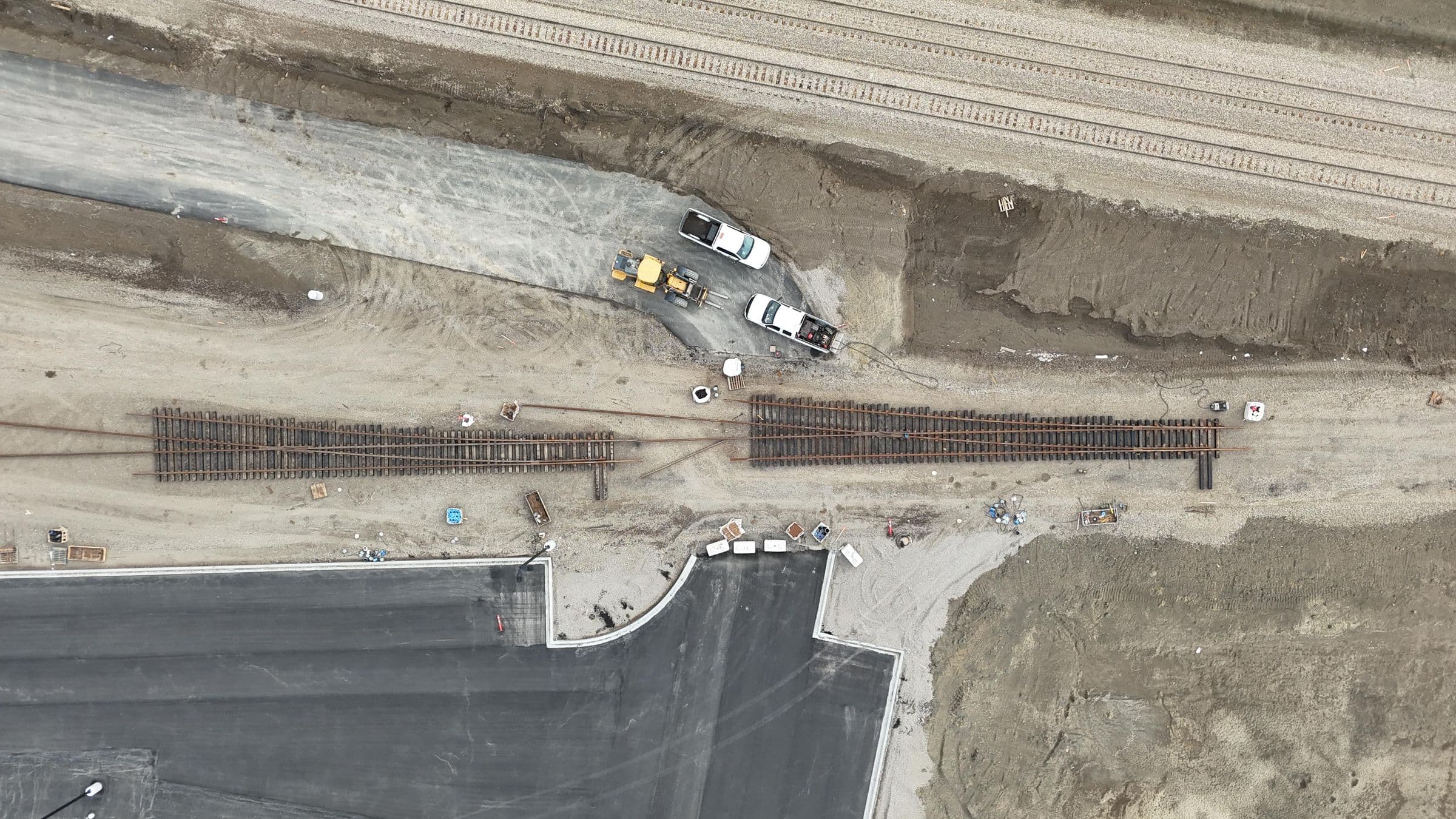
- Track layout: What lengths, rail specifications, tie types, and turnout arrangements does the owner require?
- Interfaces: Who handles the connection, utilities, crossings, and coordination with the serving railway?
- Logistics: Where can materials be delivered and stored? What access and unloading arrangements are available?
- Operating windows: Must construction work around existing rail service or other facility activities?
- Handover: What inspection records, testing, drawings, and acceptance documents belong in the price?
These questions help distinguish a missing scope item from a difference in contractor pricing. They also make later changes easier to discuss because the starting assumptions are recorded.
Use public budgets carefully
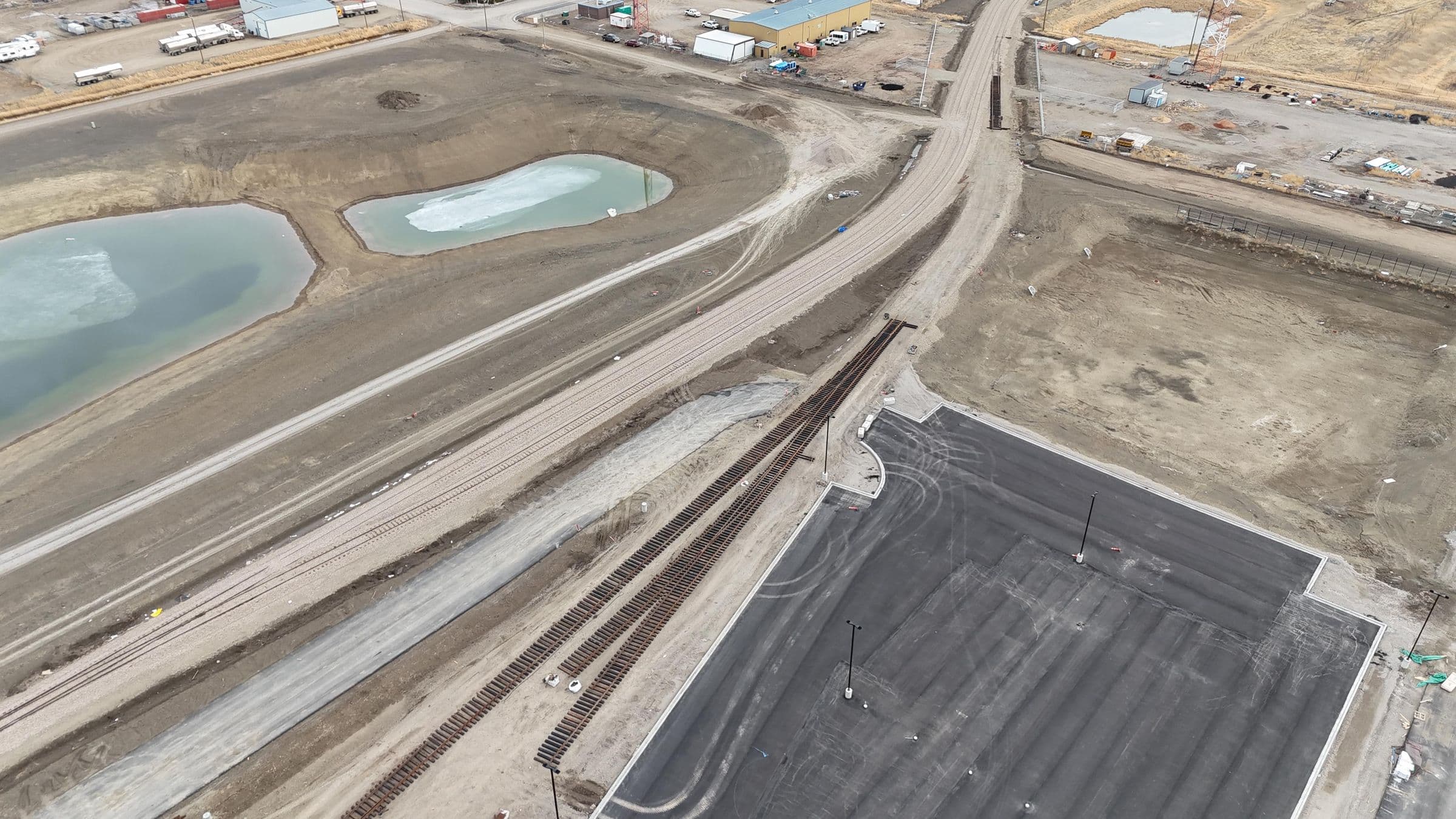
The Alberta Major Projects registry lists the Coaldale industrial spur at a total project value of $8 million and names two contractors, including Ironhorse. That is the overall published project value. The registry does not state Ironhorse's individual contract amount. It should not be converted into a universal price per kilometre.
The Coaldale project profile explains what the public record establishes. Your own budget should reflect your layout, ground conditions, scope, and procurement date.
Compare estimates on the same basis
Provide the same drawings and assumptions to each bidder. Ask for inclusions, exclusions, material responsibilities, provisional quantities, and a clear explanation of how scope changes would be handled. Record whether taxes, transport, owner-supplied materials, and railway interface costs are included rather than assuming they are.
If the design is early, describe the requested estimate as preliminary. A later proposal can reflect confirmed quantities and access arrangements. Avoid treating a planning allowance as a firm construction commitment.
Prepare the first conversation
Gather the facility address, serving railway, concept layout, intended traffic, target operating date, and available surveys. Use the industrial spur checklist to identify gaps. Review new track construction, then build a project brief for Ironhorse to assess.
Sources and further reading
- Government of Alberta: Coaldale Industrial Rail Spur Line
- Transport Canada: Rules Respecting Track Safety
Planning guidance for owners and procurement teams. Confirm site conditions, applicable jurisdiction, and the track owner's current requirements with qualified personnel before work begins.
Turn the plan into a project brief.
Gather the location, condition information, access windows, and scope before requesting a bid.
Common questions
Can I use a published rail project budget to estimate my spur?
Use it as context only. Published budgets may include design, land, civil works, crossings, and multiple contractors. Compare scope and conditions before treating another project's value as a benchmark.
What should I send for an initial rail spur estimate?
Send the facility location, concept track plan, serving railway, intended traffic, target date, available surveys and ground information, and a list of work included or excluded.