
What a contractor needs to estimate track rehabilitation
Prepare location, condition records, quantities, access windows, and scope boundaries for a more useful railway rehabilitation estimate.
- Published
- Reading time
- 2 min
The short answer
For a rehabilitation estimate, send the location, track layout, recent condition information, approximate quantities, access windows, and material responsibilities. Mark unknowns clearly. A contractor can then identify the information needed for a site review and a defined proposal.
A useful rehabilitation estimate begins with the track owner's information. The contractor needs to understand what exists, what needs attention, and how work can reach the site. You do not need every answer to start a conversation, but unknowns should be visible in the brief.
Identify the track
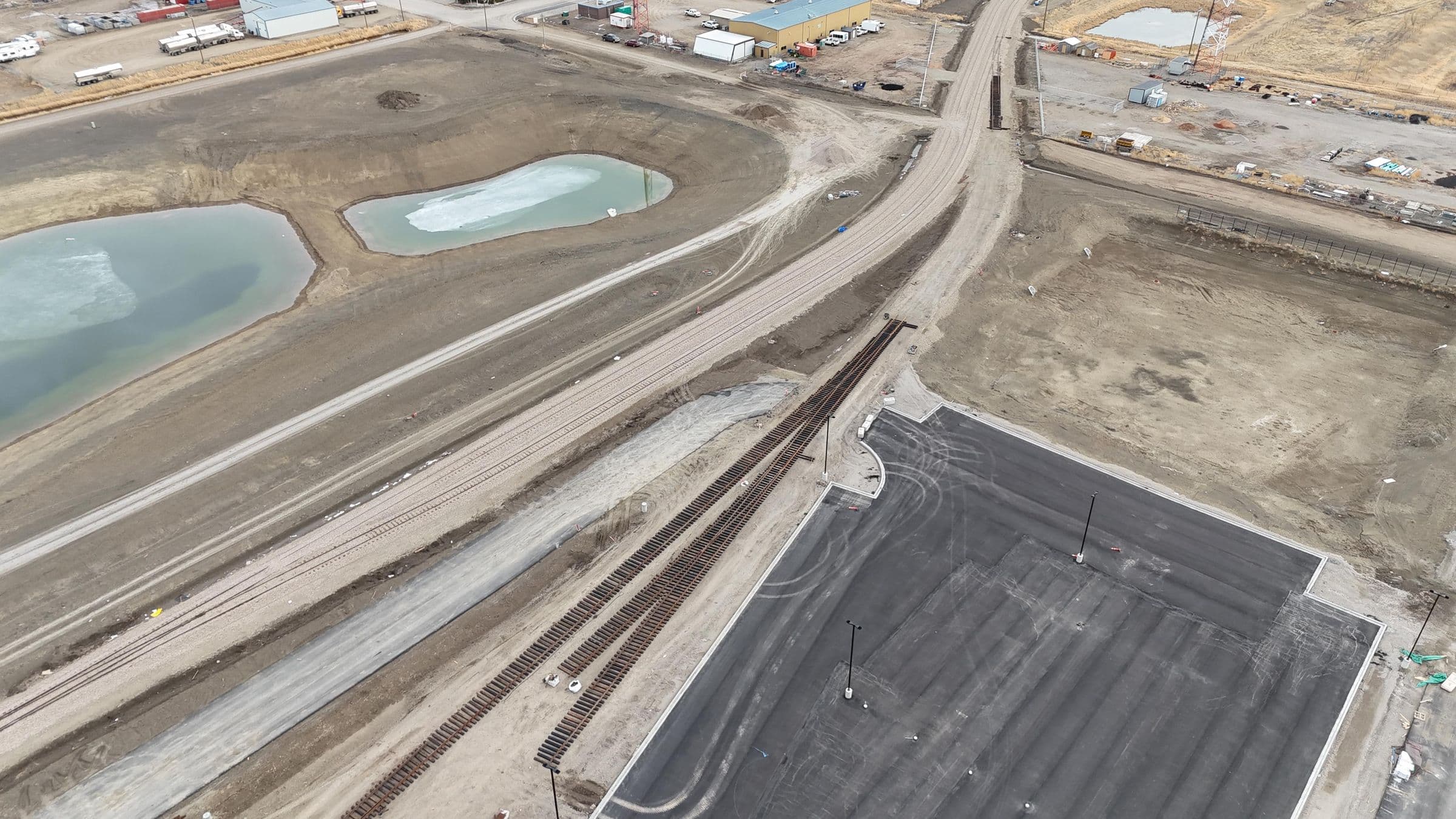
Send the facility address, track owner, site contact, and a layout showing the affected locations. Where available, include track names, mileposts, turnout identifiers, or other references used by the owner. Make sure photographs and inspection notes can be matched to those locations.
Provide condition evidence
Share recent inspection findings, dated photographs, relevant drawings, and earlier repair records. Identify known drainage concerns and any changes in the intended operation. Do not use photographs alone to decide whether track is fit for service; that assessment belongs with qualified personnel under the applicable requirements.
Outline the proposed quantities
- Approximate track length and affected locations.
- Tie, rail, joint, turnout, and ballast work identified so far.
- Surfacing or other follow-on work to be discussed.
- Materials available from the owner and materials to be supplied.
- Removal, reuse, and disposal responsibilities.
Label each quantity as measured, estimated, or unknown. If the scope is based on an early inspection, state that clearly. This lets the contractor distinguish a budget discussion from a defined proposal.
Explain the work windows
Describe facility operating hours, train movements that need coordination, possible closures, and the target completion date. Include road access, unloading areas, staging restrictions, and any other contractors working nearby. Confirm who coordinates track access and protection under the owner's requirements.
Define what the estimate is for
Say whether you need an early budget, a proposal for a site review, or a bid against a defined scope. Include procurement deadlines and the documents required with a response. Ask the contractor to record exclusions, assumptions, and outstanding questions.
After a site review, scope and quantities may change. Agree how that information will be incorporated before treating the earlier estimate as a construction commitment.
Assemble the brief
Use the track rehabilitation checklist to organize the information. The maintenance RFP guide helps when you are preparing a formal competition. Review Ironhorse's track rehabilitation and tie and steel gang capabilities, then build a project brief with the information available.
Sources and further reading
Planning guidance for owners and procurement teams. Confirm site conditions, applicable jurisdiction, and the track owner's current requirements with qualified personnel before work begins.
Turn the plan into a project brief.
Gather the location, condition information, access windows, and scope before requesting a bid.
Common questions
Can I request a bid before I have a complete inspection report?
You can start the conversation with the information available. Identify missing condition records and quantities so the contractor can explain whether a site review or further assessment is needed before pricing.