

Insights
Field knowledge, written down.
Practical articles on how railway construction, maintenance, emergency response, and procurement actually work in Western Canada.
Latest article
Written for track owners, shippers, municipalities, and procurement teams who need to understand the work before they buy it.
All articles
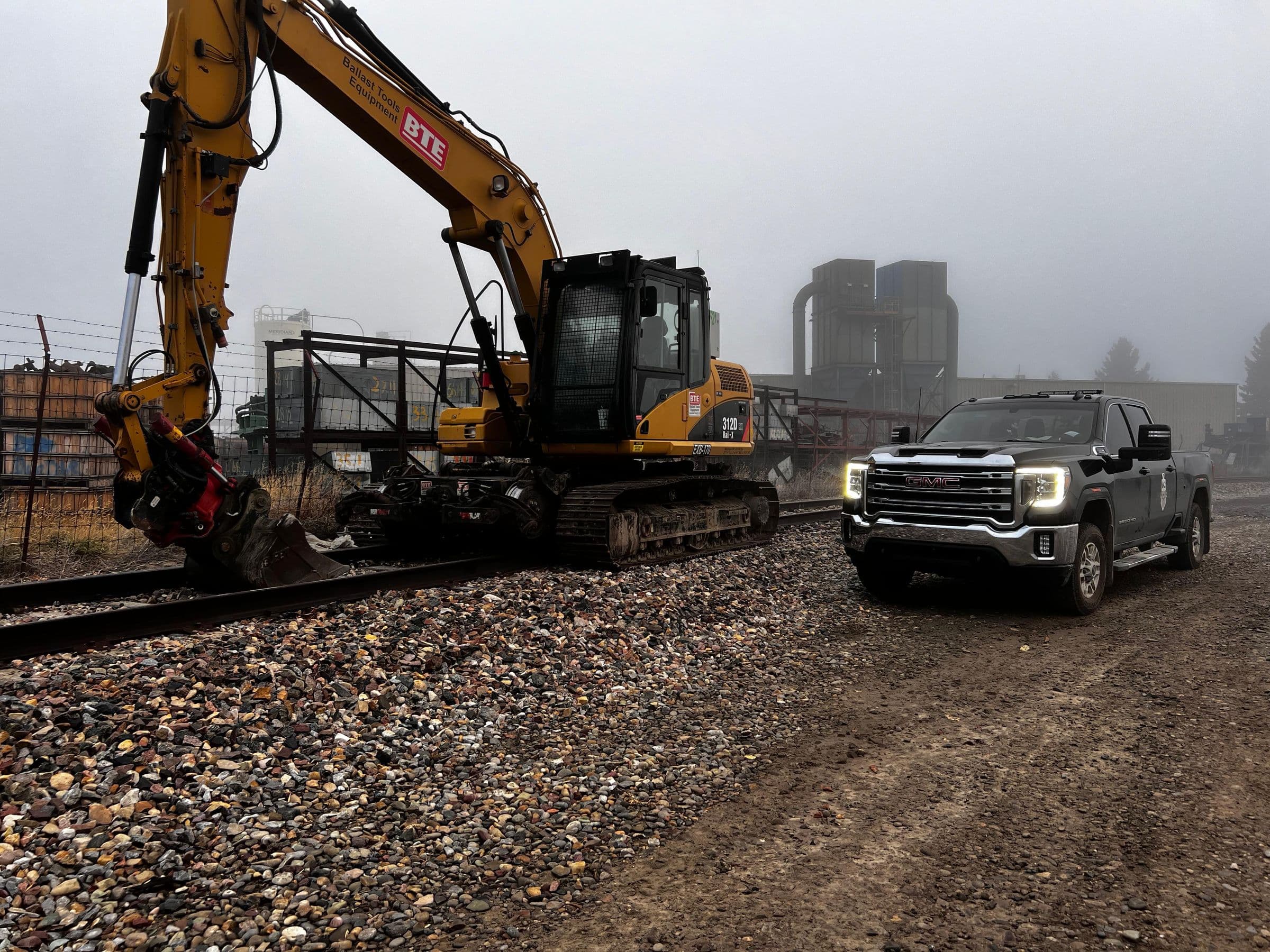
What a contractor needs to estimate track rehabilitation
Prepare location, condition records, quantities, access windows, and scope boundaries for a more useful railway rehabilitation estimate.
Read the article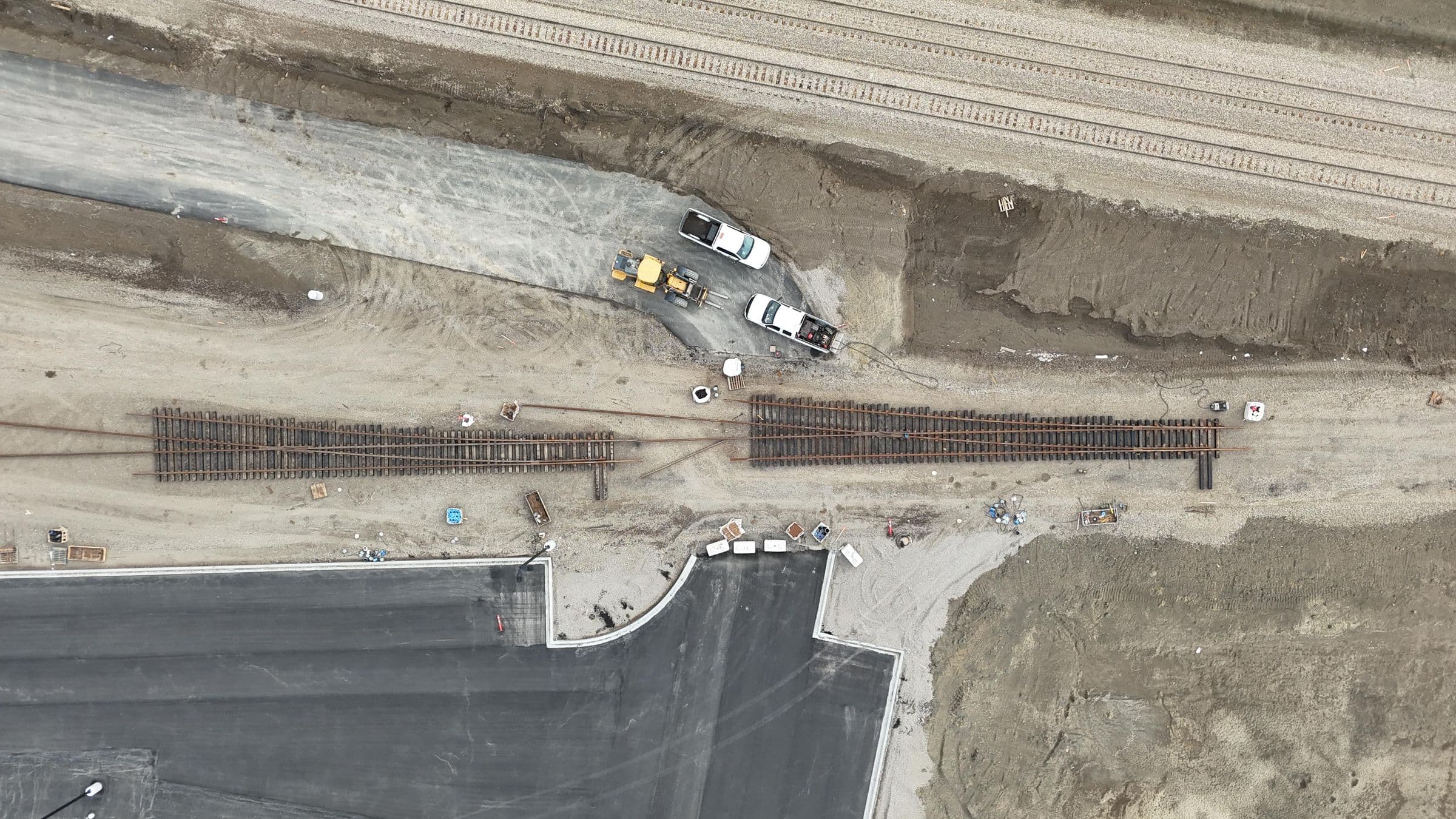
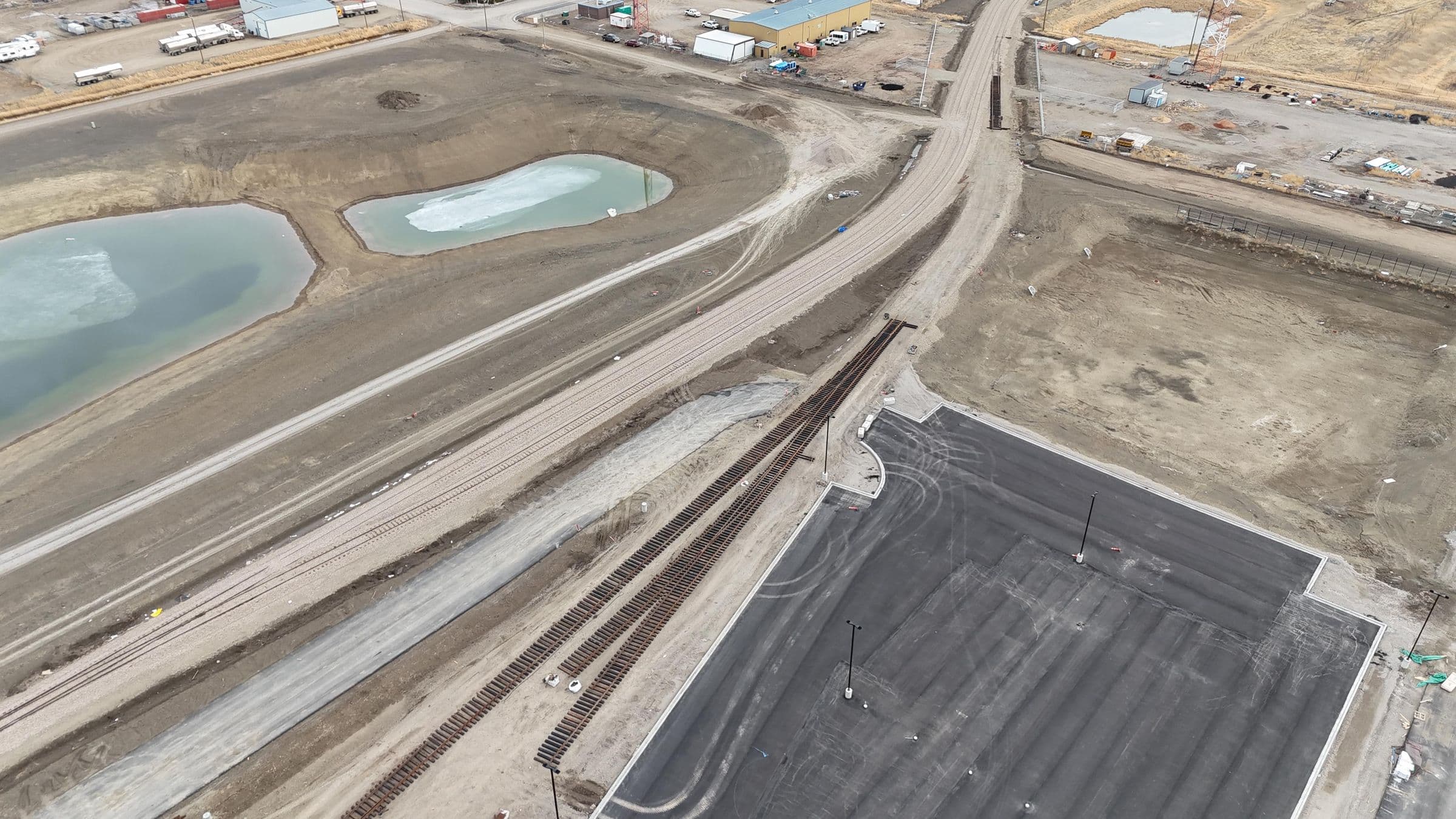
What affects the cost of an industrial rail spur?
Understand the scope behind a rail spur estimate: civil work, track materials, turnouts, railway interfaces, access, and commissioning.
Read the article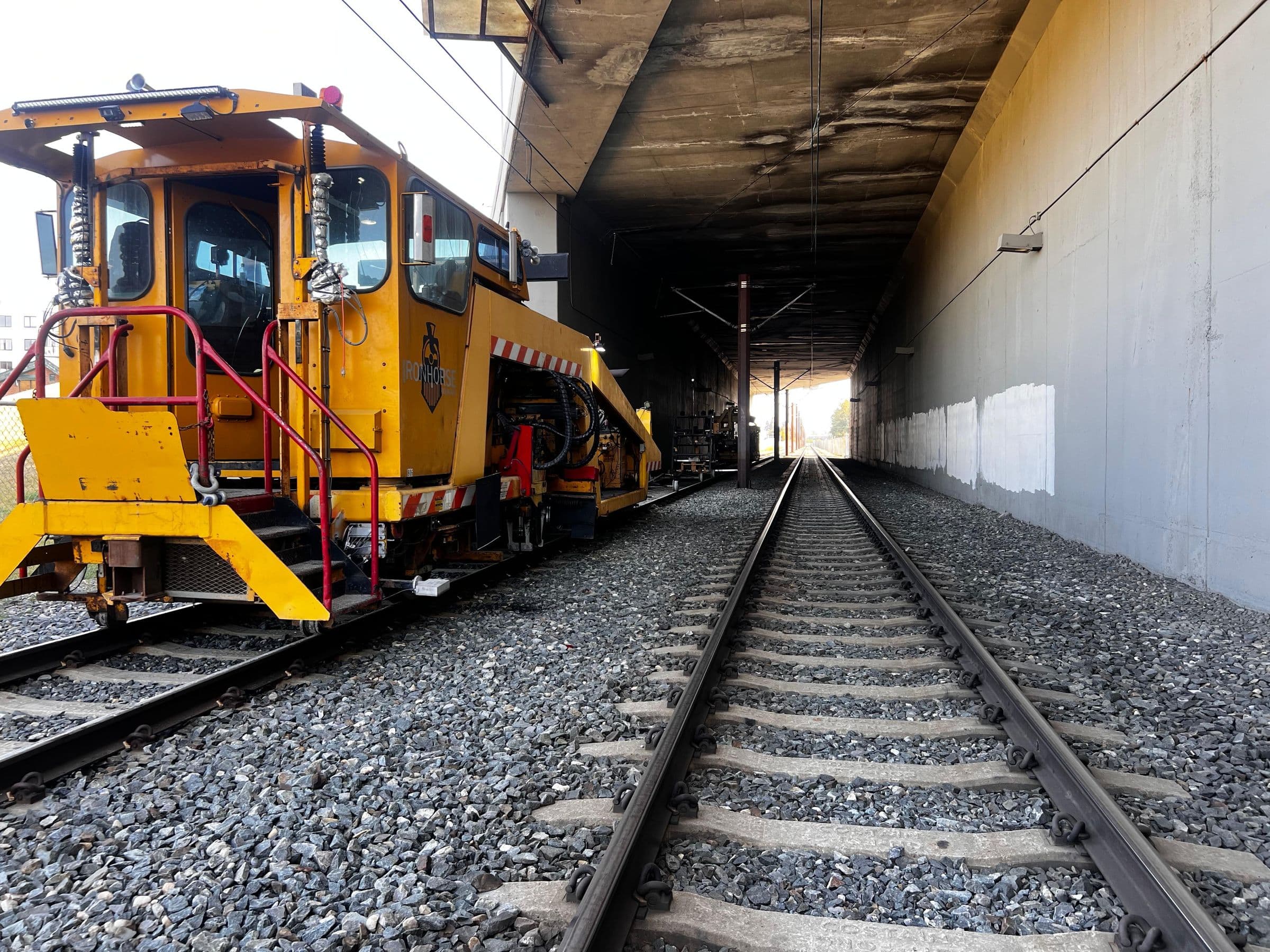
What to include in a railway maintenance RFP
A practical scope checklist for rail owners requesting comparable maintenance bids, from quantities and access to acceptance and exclusions.
Read the article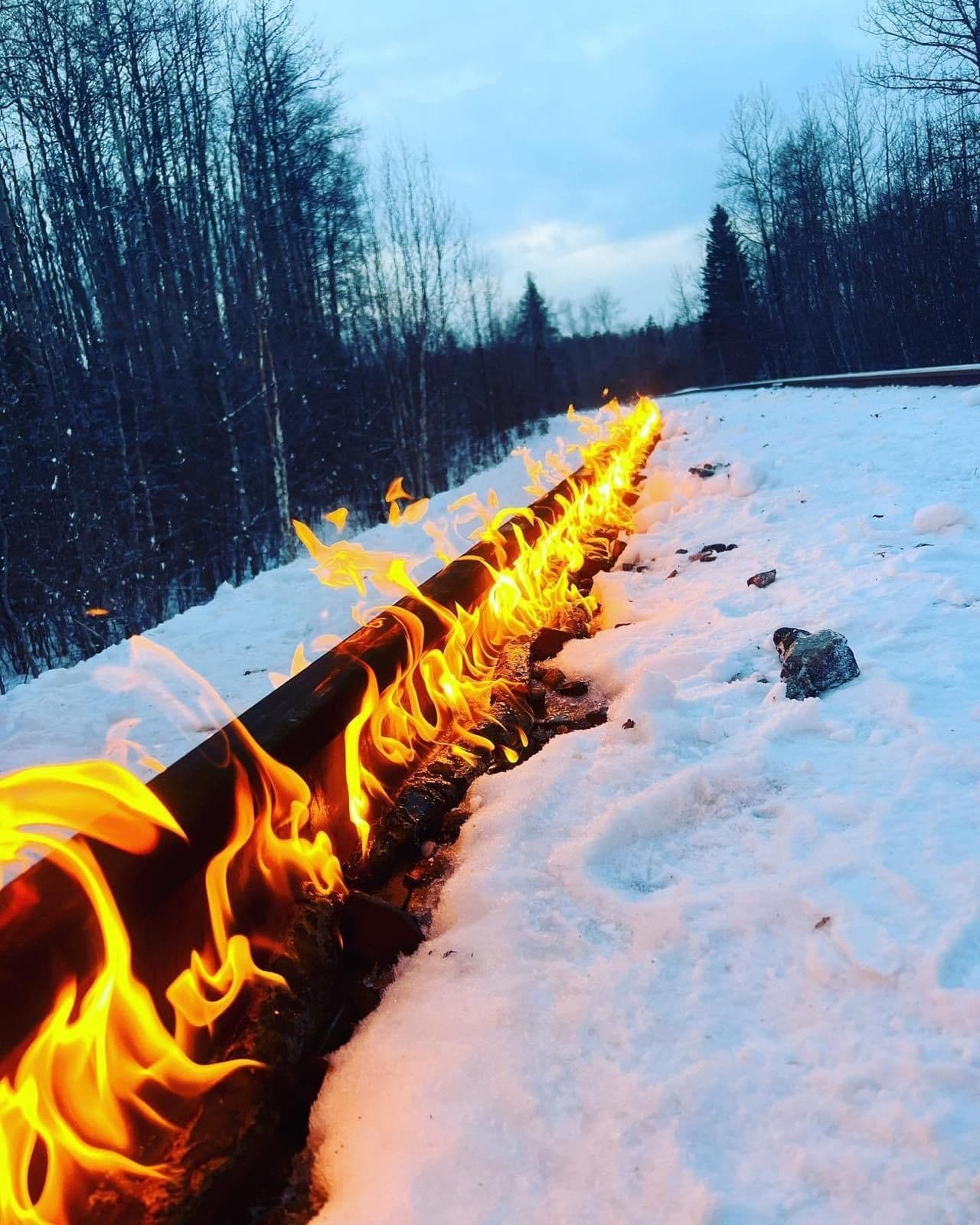
Winter planning for industrial rail facilities in Western Canada
Organize inspection, snow-clearing responsibilities, access, materials, and contractor coordination before winter affects a rail facility.
Read the article
What a hi-rail truck does on a railway job
How hi-rail vehicles get onto the track, the trucks and machines that carry rail gear, the rules that come with them, and the jobs that cannot be done without one.
Read the article
What to have ready when you call for derailment response
The information a rail contractor needs in the first five minutes of a derailment call, and how it shortens the time to a cleared, inspected, reopened track.
Read the article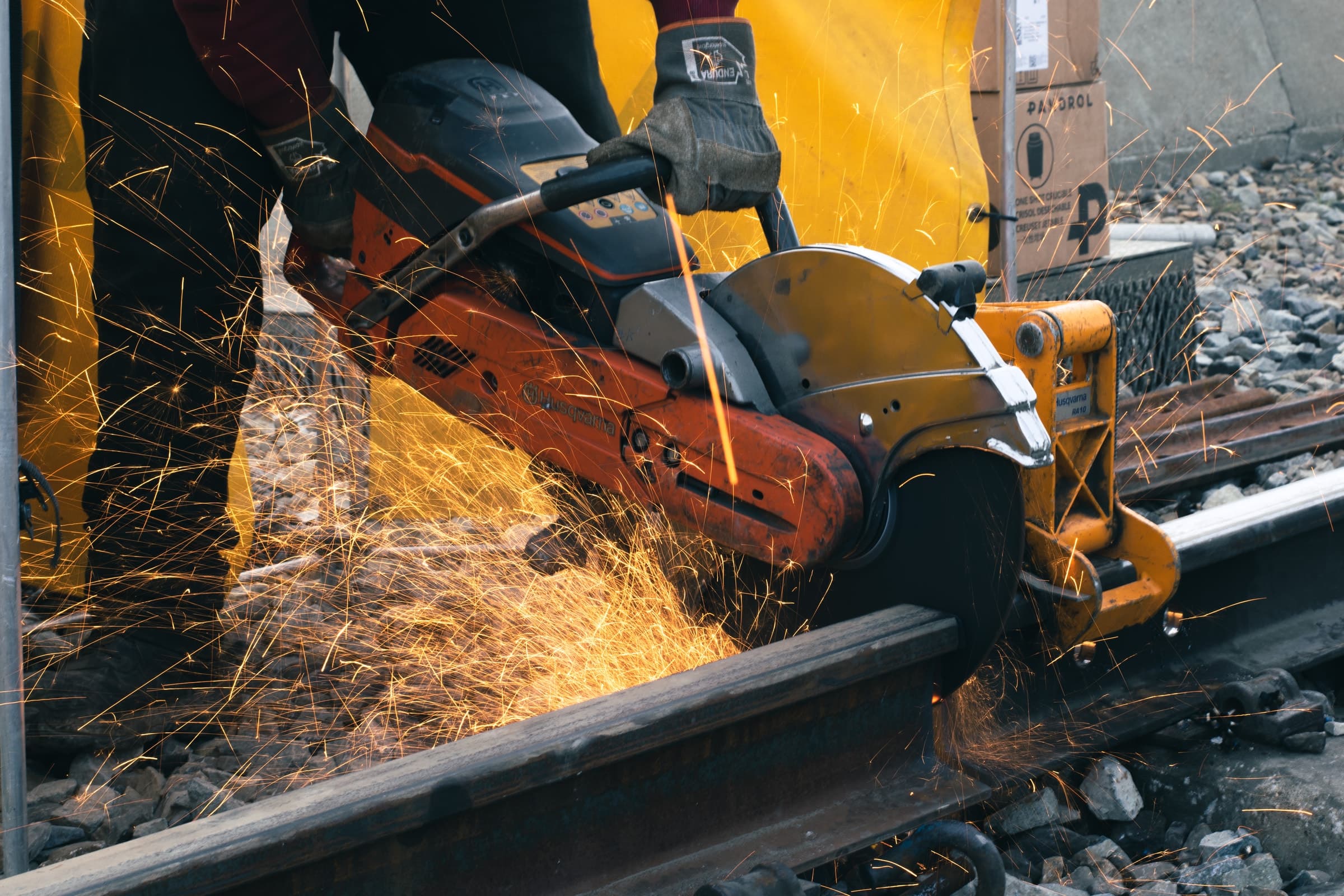
Thermite welding vs. bolted joints on industrial track
Why joint elimination reduces maintenance on spurs and yards, when a bolted joint still makes sense, and what a field thermite weld actually involves.
Read the article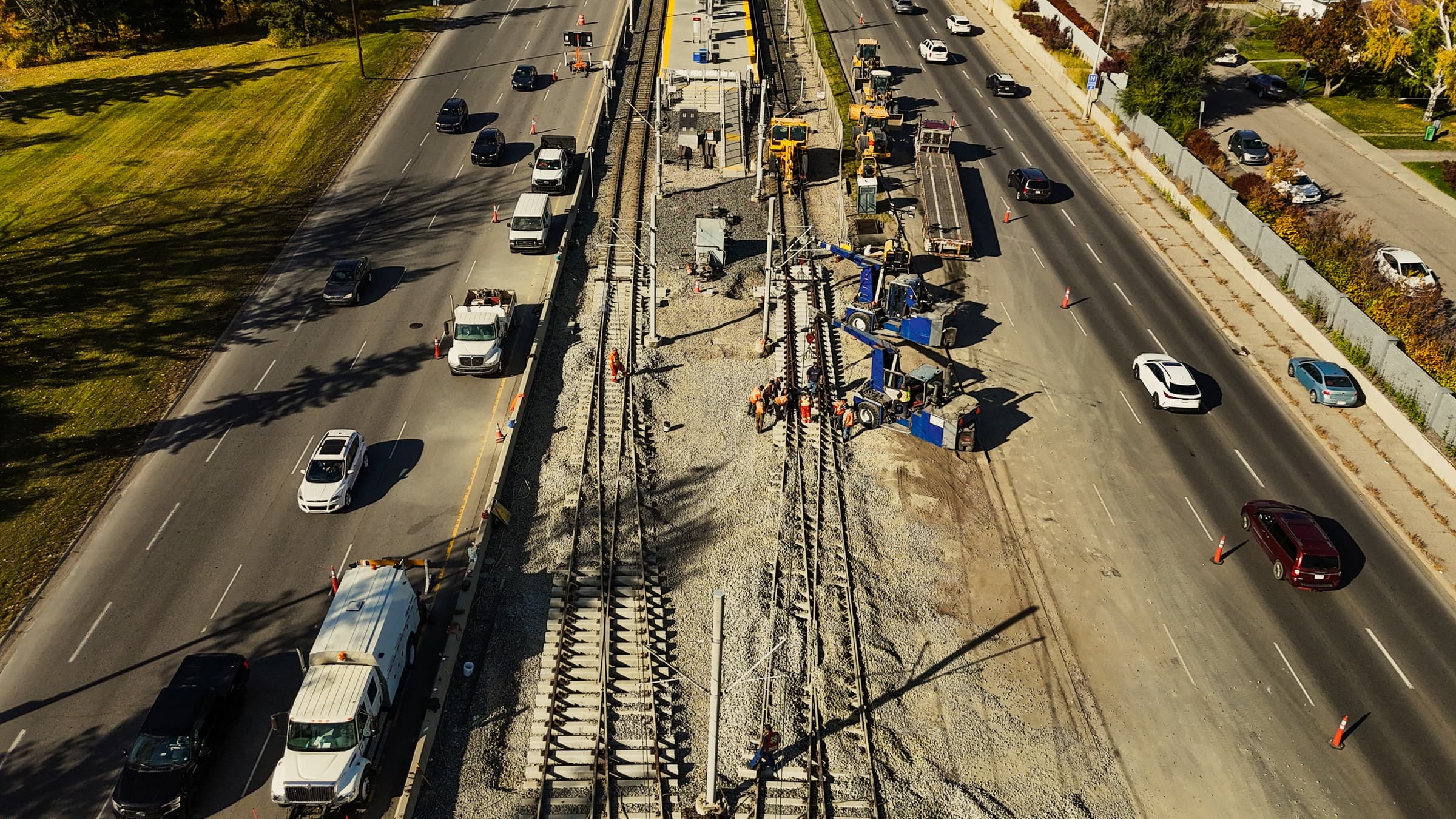
Planning an industrial rail spur: questions to answer before design
A practical checklist for shippers and developers considering rail service in Alberta, BC, or Saskatchewan, from serving-railway agreements to turnout locations and construction windows.
Read the article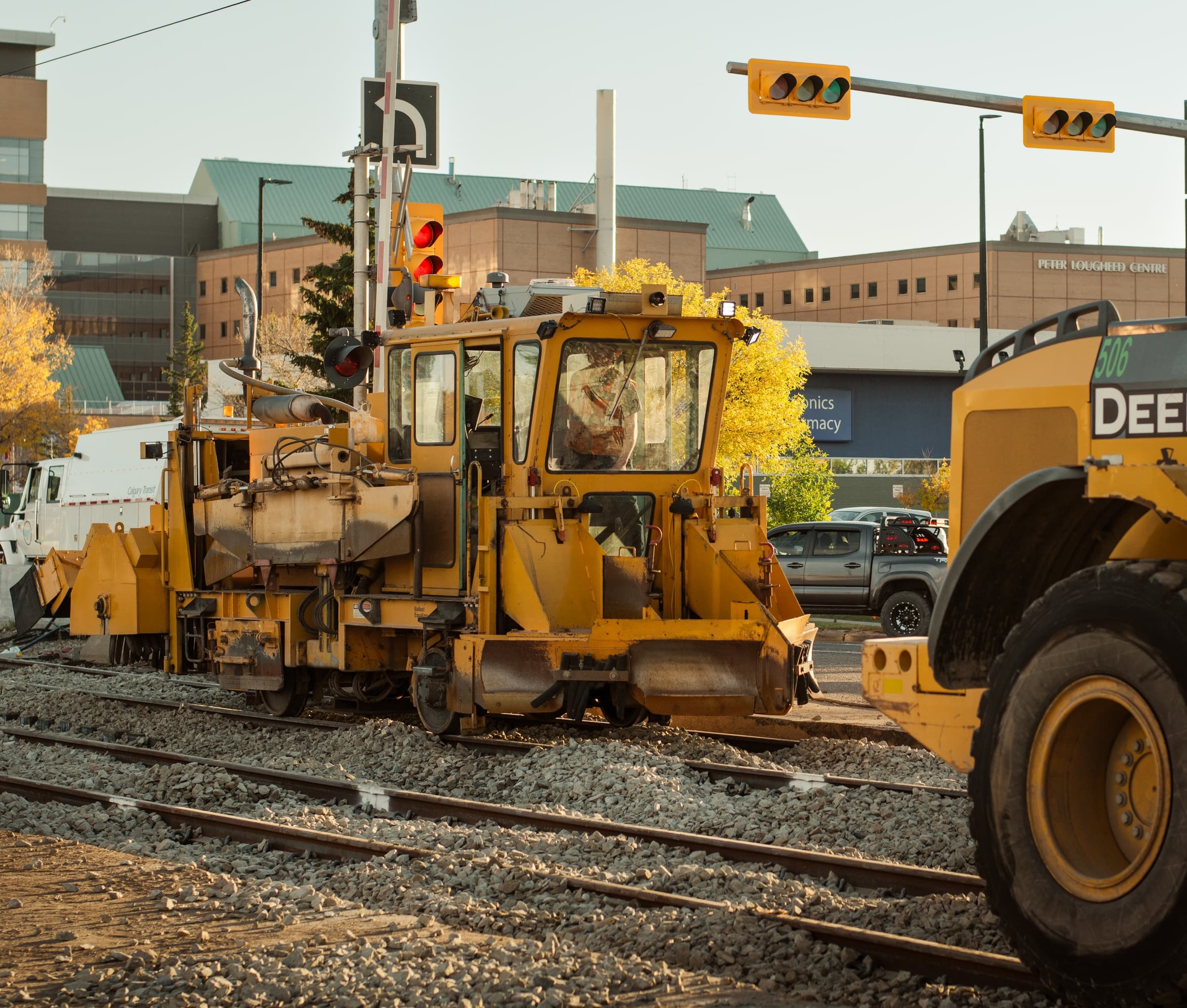
Sequencing a production tie gang around live operations
How tie replacement programs are scoped, how material flow and track time shape production, and what an owner should expect behind the gang.
Read the article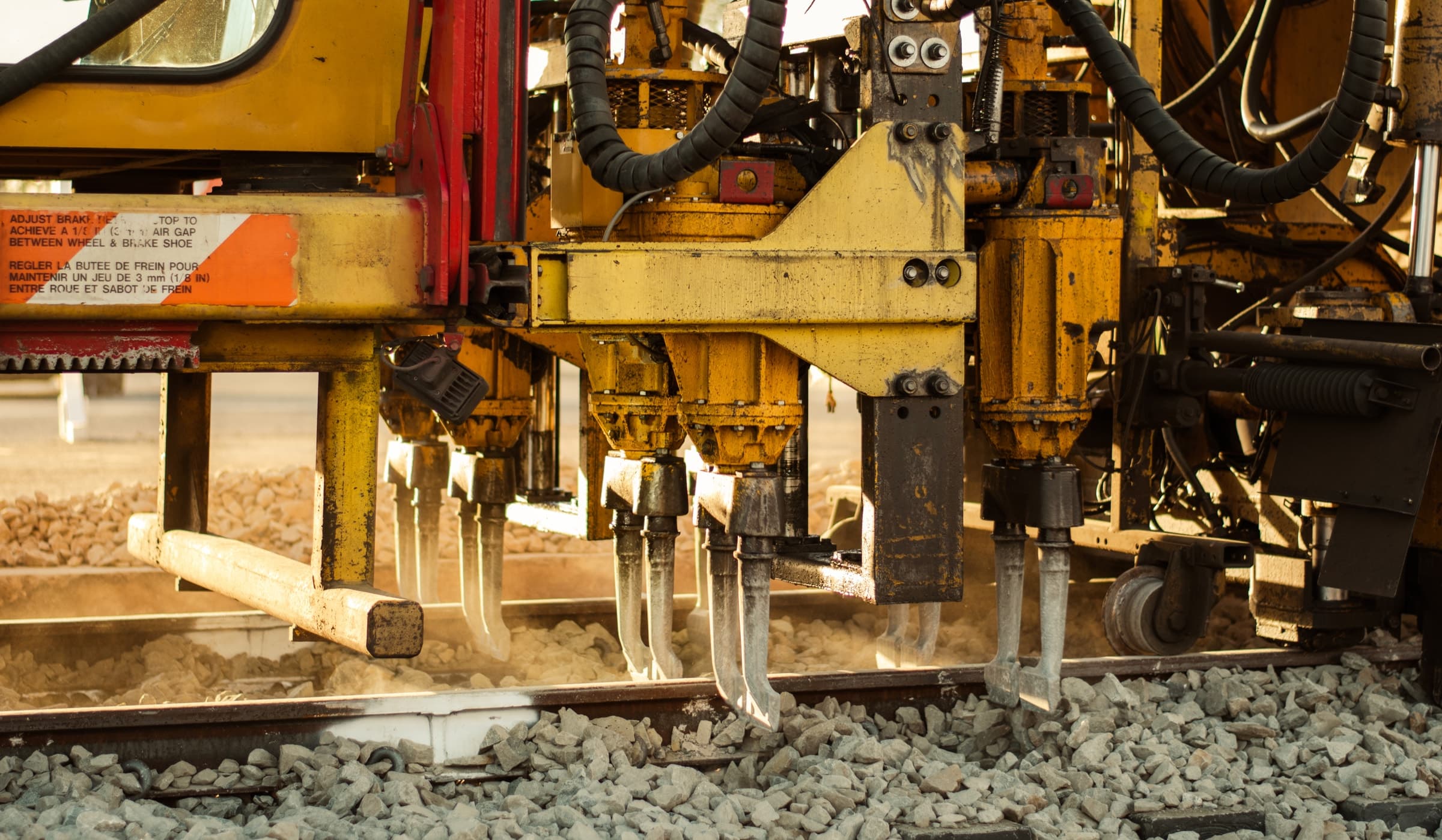
What track surfacing fixes, and what it does not
Tamping, lining, and regulating explained for track owners: the geometry problems surfacing corrects, the defects it cannot, and how to tell the difference.
Read the article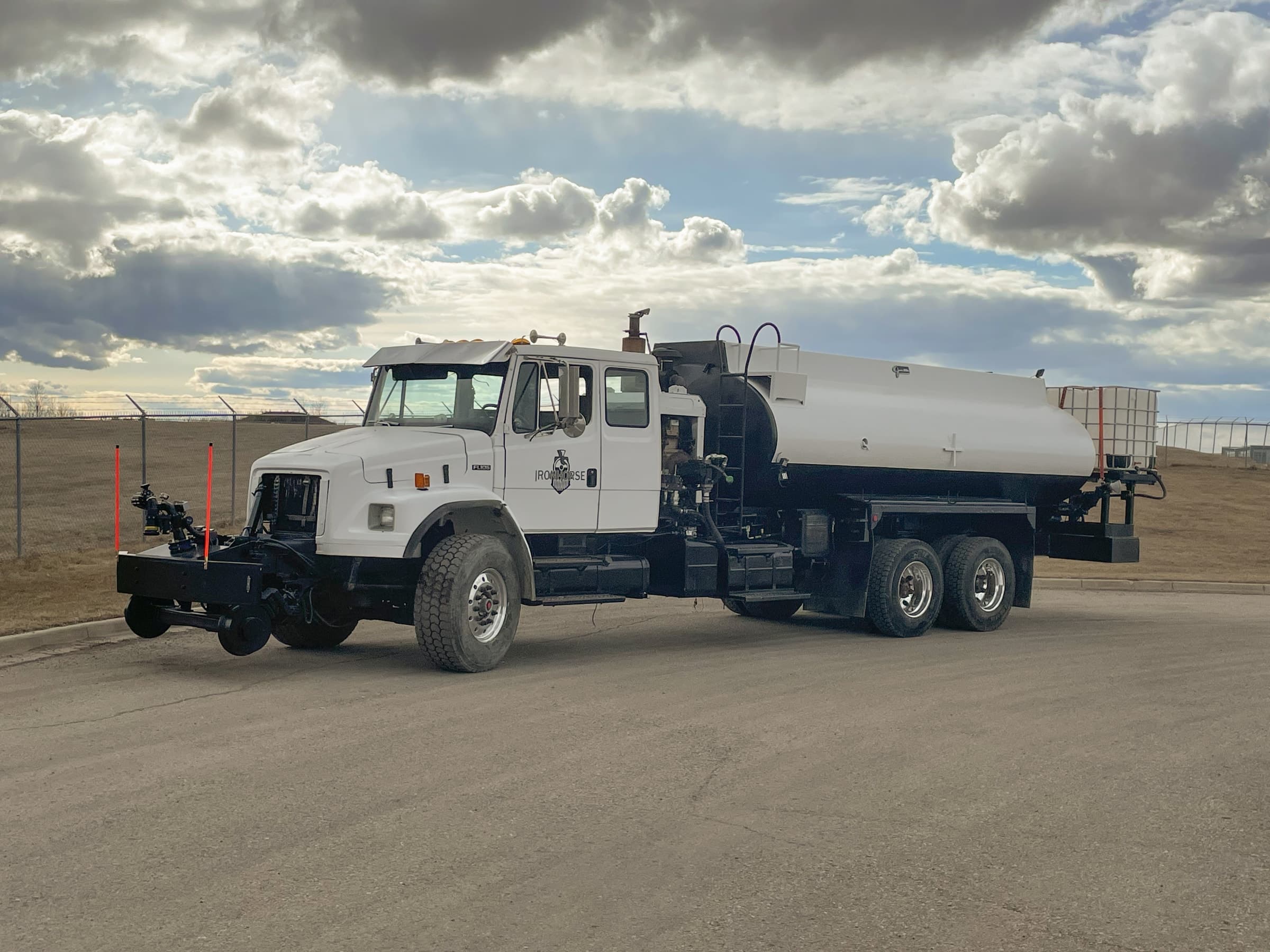
Wildfire season and the railway: how hi-rail fire prevention works
How hi-rail water trucks, fire watch, and pre-wetting protect bridges, poles, tree lines, and buildings along the right of way during hot-work and fire-ban conditions.
Read the article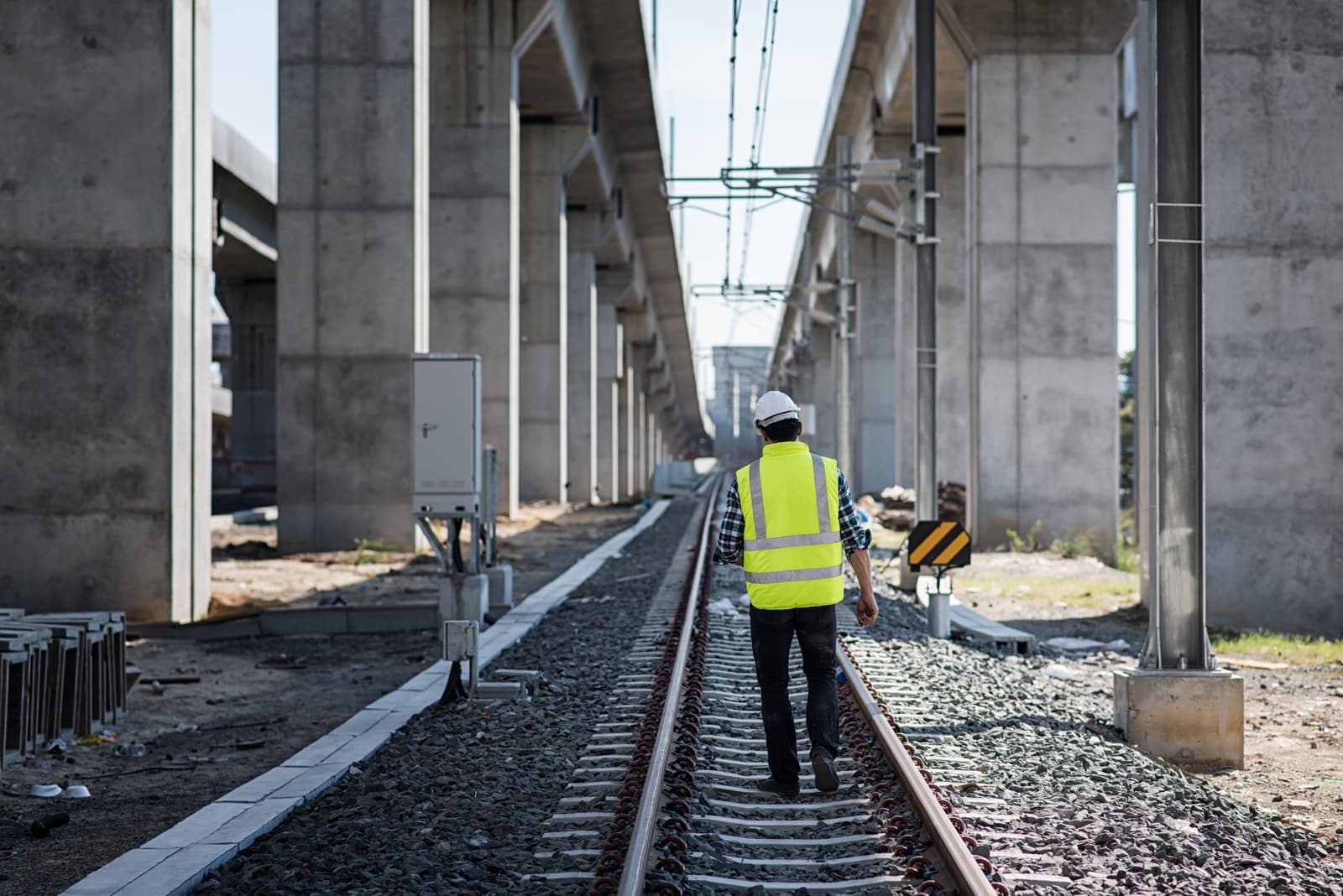
COR, TIGS, and rail contractor prequalification: what to verify
A procurement guide to the safety certifications, training designations, and public records worth checking before awarding railway construction or maintenance work in Western Canada.
Read the article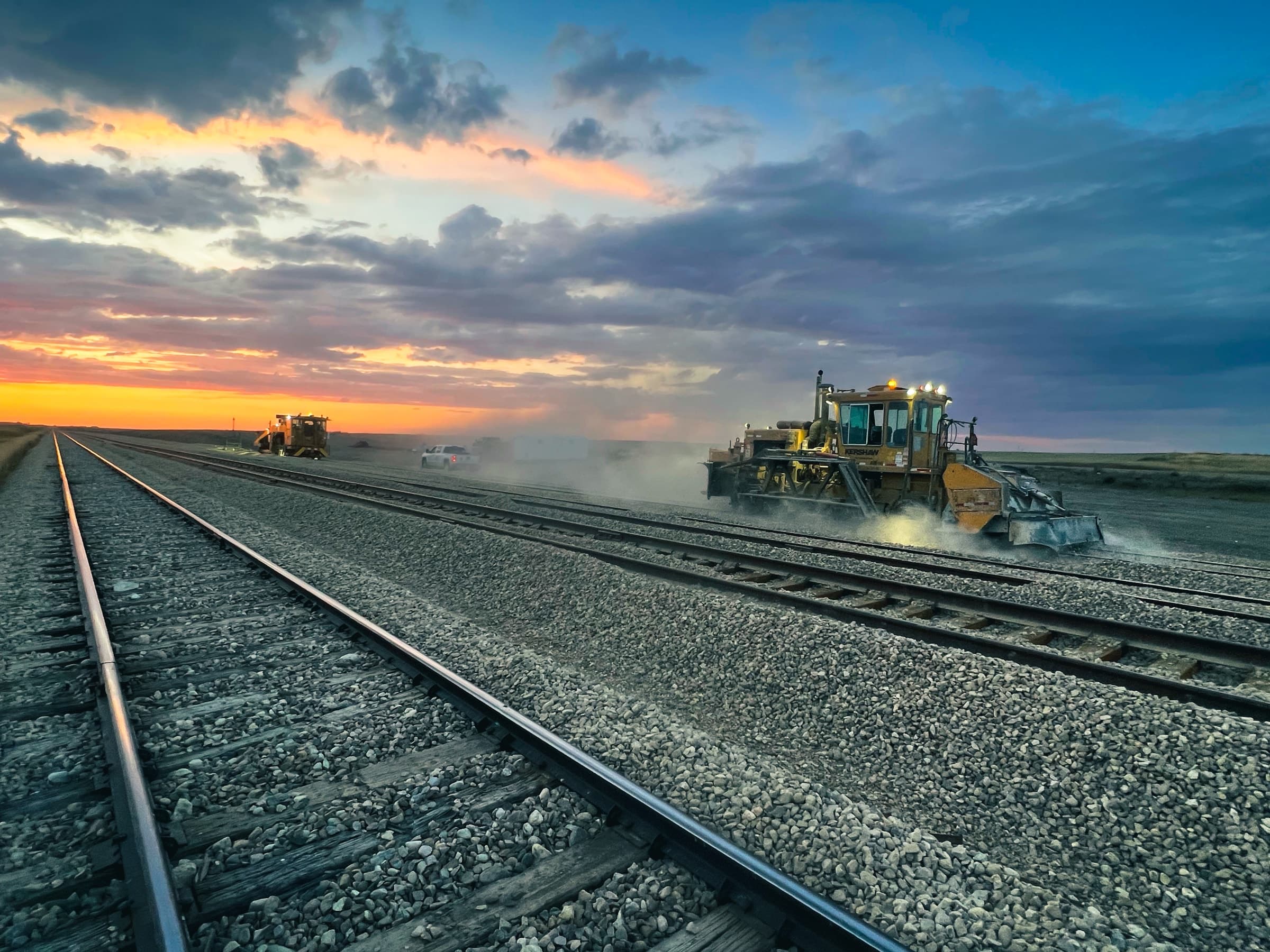
Renting a tamper or regulator: what to ask before it ships
Questions that keep a rail equipment rental from going wrong: operator qualification, transport, track access, consumables, and what the rental does and does not include.
Read the articleMaintenance
5 articles
Emergency Response
1 article
Safety & Compliance
1 article
Have a question the articles do not answer?
Send the track details and the scope. Ironhorse will respond with practical advice and, where it fits, a bid.