
Renting a tamper or regulator: what to ask before it ships
Questions that keep a rail equipment rental from going wrong: operator qualification, transport, track access, consumables, and what the rental does and does not include.
- Published
- Updated
- Reading time
- 4 min
The short answer
Confirm the machine's suitability, track gauge and clearances, dates, operator arrangements, transport, access, and service responsibilities before booking. Ask what is included in the rental and what the owner must supply. Availability and production should be confirmed for the actual site.
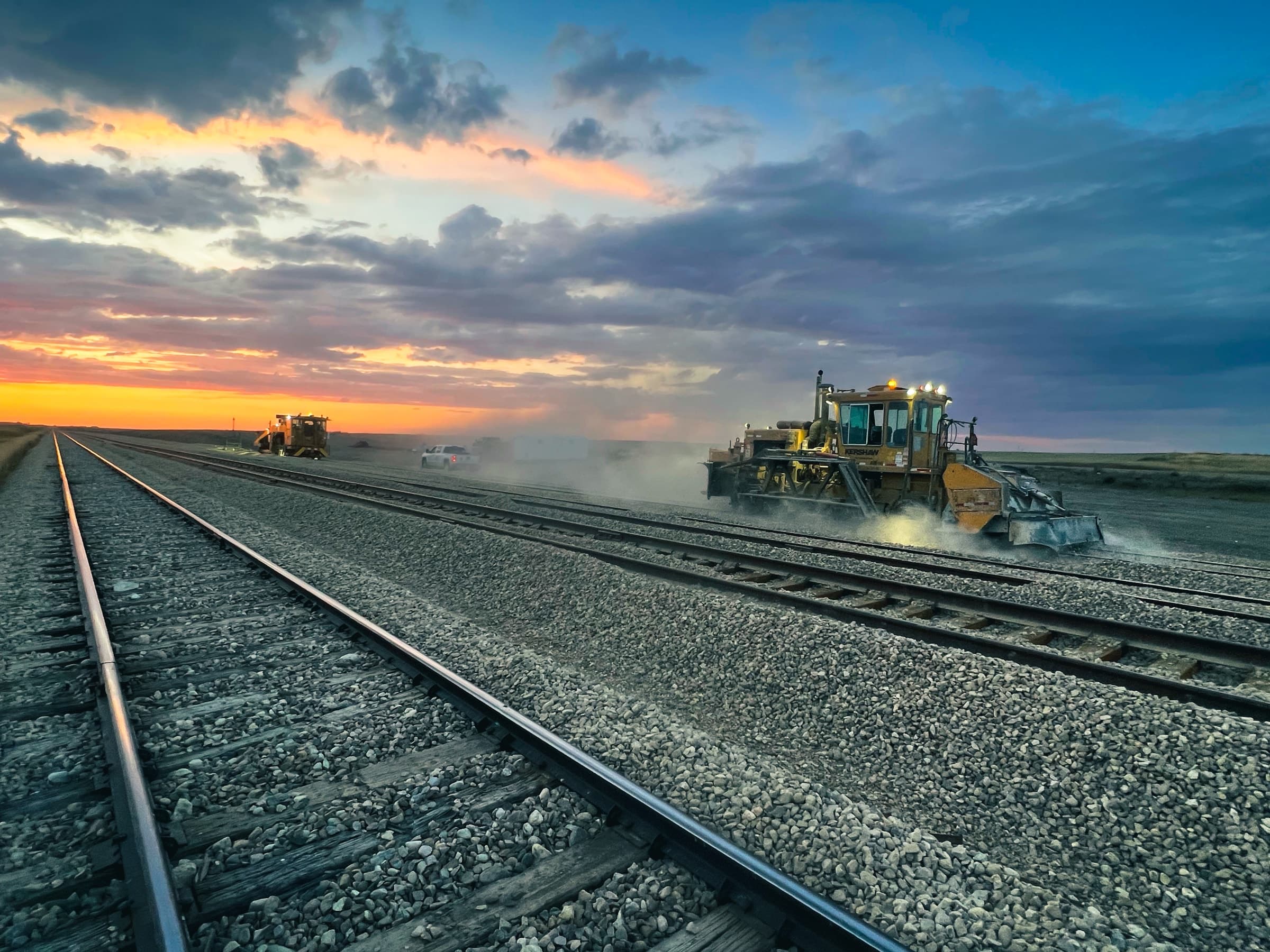
Renting a production tamper or ballast regulator for a short program can make more sense than hiring a full crew, especially for a shortline, a transit operator, or an industrial owner with its own track staff. It can also go wrong in expensive ways: a machine arrives that will not fit the clearances, an operator who has never run that model, or a rental that turns out not to include the transport or the consumables the job needs.
This article covers the questions to settle before the machine ships.
Does the machine fit the job?
Start with the track, not the machine.
- Clearances. Transit rights of way, tunnels, platforms, and industrial sites with structures close to the track need compact equipment. A full-size mainline tamper may not fit. Ask the rental provider for the machine's dimensions and compare them against your tightest clearance.
- Curvature and grade. Sharp yard curves and steep industrial grades limit which machines can travel and work.
- Rail section and tie type. Tamping tools and tie handling attachments are matched to the track. Confirm the machine is set up for your rail and ties.
- Scope. A spot tamper for a handful of joints is a different machine from a production tamper for kilometres of track. A regulator only redistributes ballast; it does not lift or line.
Who is running it?
Track machines are operator-dependent. A skilled operator on a well-maintained tamper produces good geometry all day. An unfamiliar operator can damage the machine, the track, or both.
Three arrangements are common:
- Machine only. You supply the operator. Confirm they are trained on that specific model, not just tampers in general.
- Machine with operator. The rental provider supplies a qualified operator. Clarify who supervises, who provides track protection, and how hours are billed.
- Machine with training. The provider trains your operator before or during the rental. Ask what the training covers and how long it takes before the operator is considered qualified.
Ironhorse offers in-person operator training on selected machines alongside rentals and sales, which is one way to build in-house capability without buying equipment first.
How does it get there?
Tampers and regulators are heavy, long, and not road-legal on their own wheels. They move by lowboy or by rail. Confirm:
- Whether transport to and from your site is included in the rental or billed separately
- Whether the provider has the trucks and drivers to move it, or whether you arrange that
- Where the machine will be set on the rail, and whether that location can take a lowboy
- Who is responsible for the machine in transit
What is included, and what is not
Rental agreements vary. Ask specifically about:
- Consumables. Tamping tools wear and need replacing. Fuel, hydraulic oil, and filters are used daily. Confirm what is supplied and what is charged.
- Maintenance and breakdowns. Who does daily service, who responds to a breakdown, and how quickly. Whether downtime is credited.
- Track protection. The rental almost never includes flagging or foul-time protection. That is your responsibility or a separate service.
- Inspection. Whether a pre-rental inspection record is provided and whether the machine meets the rules for the track it will run on.
- Insurance. What the provider covers, what you must carry, and who bears the risk of damage on your track.
How long do you really need it?
Rental periods are usually daily, weekly, or monthly, with unit cost falling as the term lengthens. Estimate the work realistically:
- How much track, and how many passes?
- How much track time can you release each day?
- What happens on days the track is not available or weather stops work?
- How long do set-on, set-off, and transport add at each end?
A rental that runs over because track time was optimistic costs more than a longer term booked up front.
Geometry data and results
A production tamper measures track geometry as it works. Ask whether the machine records and exports the before-and-after data, and whether you receive it. That data is your evidence that the work was done and the baseline for your next inspection.
A short pre-rental checklist
- Machine dimensions checked against your clearances
- Machine set up for your rail section and tie type
- Operator qualification confirmed, or training arranged
- Transport scope and set-on location agreed
- Consumables, maintenance, and breakdown response defined
- Track protection arranged separately
- Insurance and inspection records in hand
- Rental term matched to a realistic production estimate
- Geometry data output confirmed
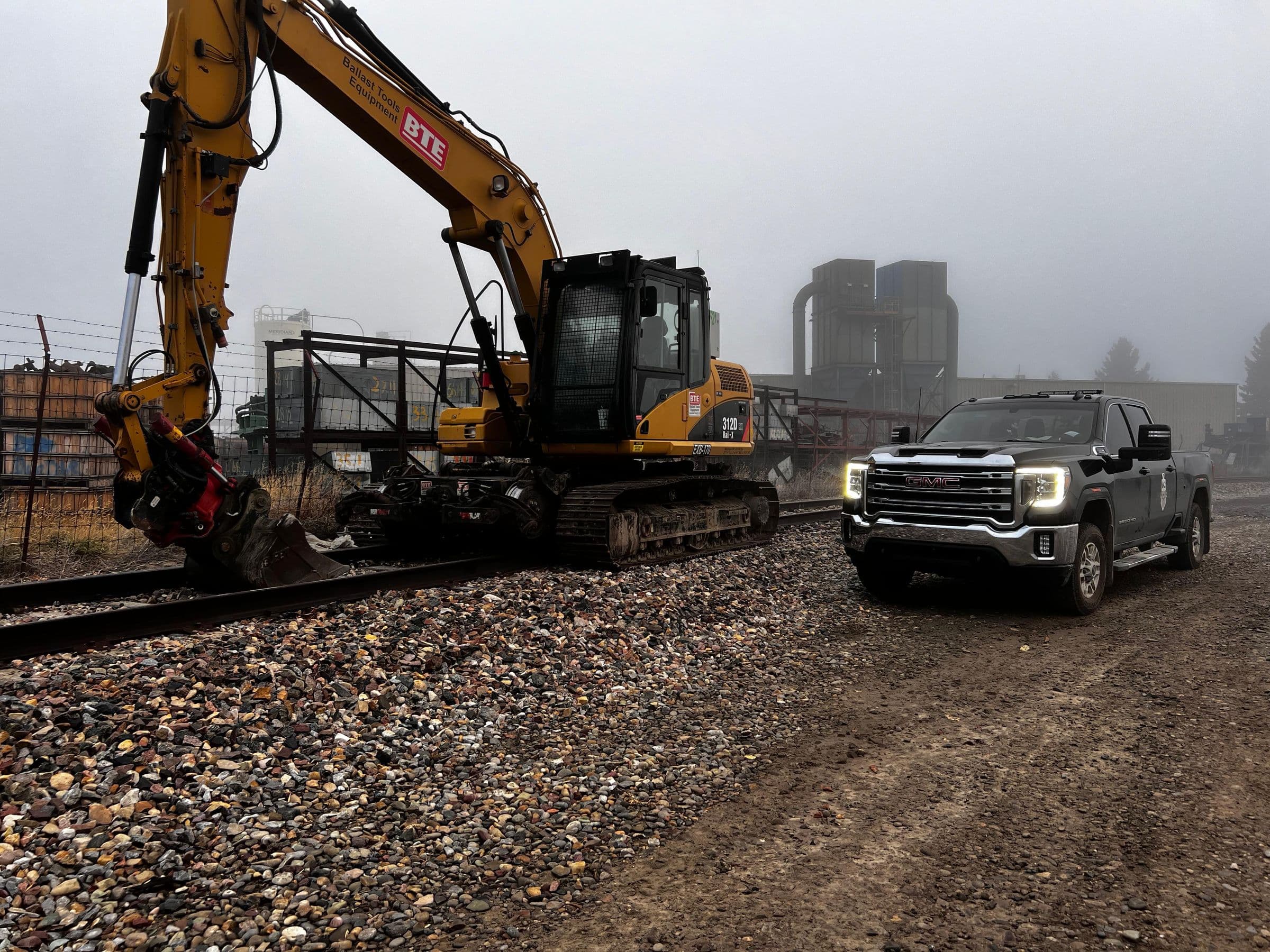
Ironhorse rents, sells, and provides training on railway equipment including MKIV tampers, ballast regulators, hi-rail excavators, and boom trucks, with heavy transport to deliver them. The equipment page lists the published fleet, and the contact page is the place to send your track details for an availability check.
Sources and further reading
Planning guidance for owners and procurement teams. Confirm site conditions, applicable jurisdiction, and the track owner's current requirements with qualified personnel before work begins.
Turn the plan into a project brief.
Gather the location, condition information, access windows, and scope before requesting a bid.