

Railway service
Tie & Steel Gangs
Production gangs equipped for tie renewal, rail relay, fastening, anchoring, and gauge restoration.
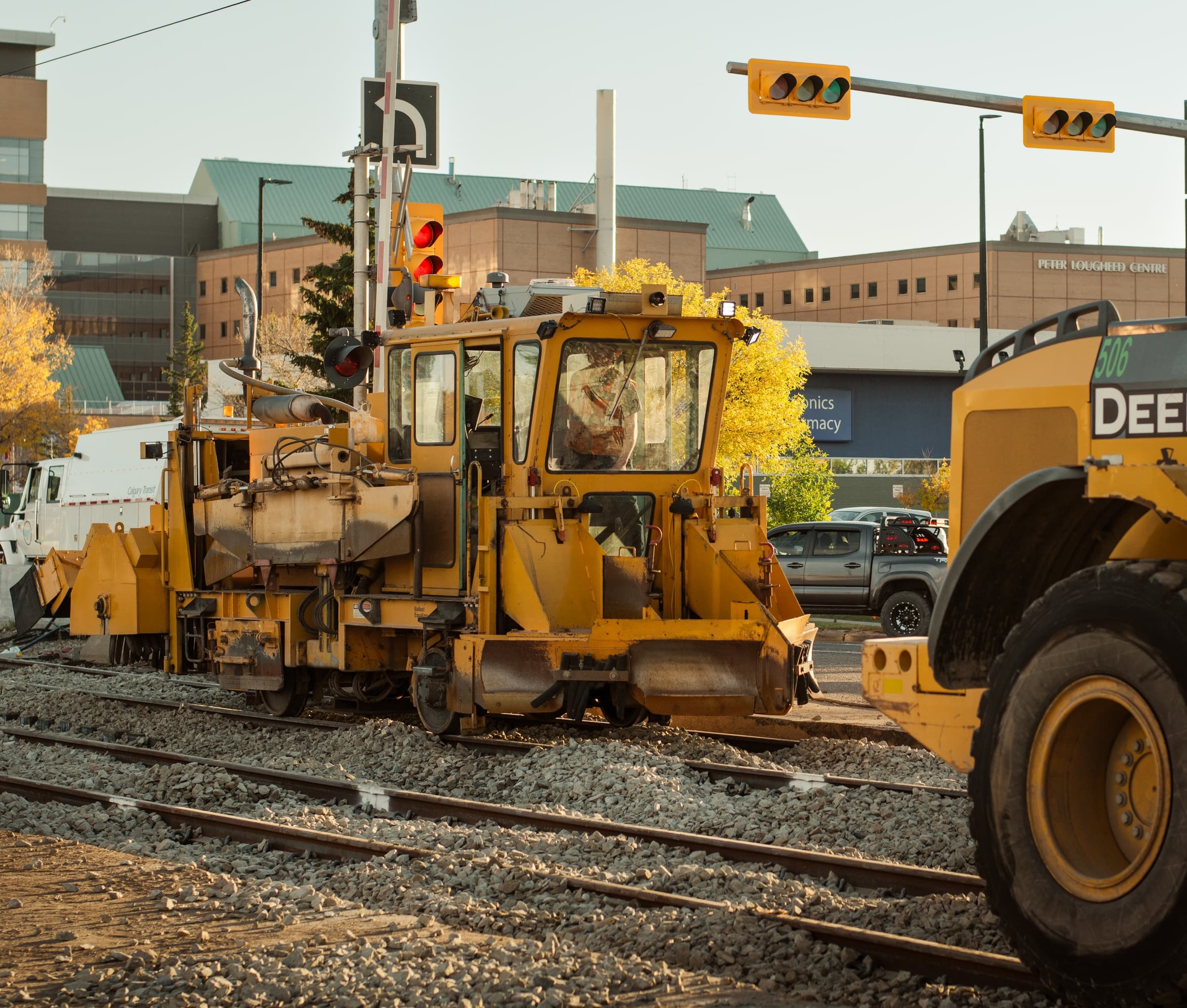
A complete field scope.
Ironhorse fields production tie and steel gangs across Western Canada. Gangs arrive with supervision, equipment, and qualified personnel for tie replacement, rail relay, fastening renewal, anchor work, gauge correction, and finished surfacing.
How the work moves.
Size the gang
Match supervision, labour, machines, and support equipment to the production target.
Control material flow
Stage ties, rail, anchors, fasteners, and disposal around the work window.
Hand back finished track
Complete fastening, gauge, ballast, surfacing, and inspection activities.
Equipment matched to scope
- Tie handlers
- Hi-rail excavators
- Anchor pinchers and applicators
- Boom trucks
- Tampers and regulators
Common questions
Answers drawn from Ironhorse's published information and standard railway practice. Project specifics are confirmed in the bid.
When is a production gang better than spot tie replacement?
Once a section needs more than a handful of ties per rail length, a planned production pass is usually cheaper per tie and leaves the track in better condition than repeated spot replacement.
What does the owner need to provide?
Track time, material delivery access or staging, and a disposal plan for old ties. Ironhorse can supply or coordinate ties, fastenings, anchors, and ballast depending on the contract.
When can tie work be done in Western Canada?
Frozen ballast slows extraction, so most production tie work runs from spring thaw into late fall. Booking a gang for the preferred window is best done the previous winter, when inspection data is in hand.
Plan with evidence.
Discuss your tie & steel gangs project.
Share your location, target dates, and the scope you know. Confirm access and operating requirements with the team before pricing.
Related capabilities
New Track Construction
Industrial spurs, yard tracks, and loop tracks built from sub-ballast through commissioning.
Track Rehabilitation
Tie replacement, rail relay, turnout renewal, drainage work, and surfacing programs.
Emergency Derailment Response
Derailment clearing, re-railing, emergency track repair, and return-to-service support.