
Thermite welding vs. bolted joints on industrial track
Why joint elimination reduces maintenance on spurs and yards, when a bolted joint still makes sense, and what a field thermite weld actually involves.
- Published
- Updated
- Reading time
- 4 min
The short answer
Thermite welding joins rail ends into a continuous connection; bolted joints connect them with joint bars and fasteners. The suitable approach depends on the rail, design, operating conditions, and owner's standards. A qualified assessment should establish the scope before choosing a repair.
Every bolted rail joint on a spur or yard track is a small maintenance commitment. The joint bars loosen, the rail ends batter, the ties beneath the joint pump and go low, and the wheel impact at each gap works on everything around it. On track that sees heavy axle loads or frequent movements, joints are where inspectors find a disproportionate share of defects.
Thermite welding replaces the joint with continuous rail. This article explains what a field thermite weld involves, what it buys the track owner, and when a bolted joint remains the right answer.
What a bolted joint costs over time
A standard bolted joint connects two rail ends with a pair of joint bars and four or six bolts. It works, and it is easy to install and take apart. The problems accumulate with traffic.
- Rail end batter. Each wheel crosses a small gap and strikes the receiving rail end. Over time the rail ends deform, which increases the impact, which accelerates the deformation.
- Bolt and bar fatigue. Bolts loosen and need periodic retightening. Bars crack. A broken bar at a joint under load is a derailment risk.
- Pumping ties. The impact at the joint drives the ties beneath it down into the ballast. Low joints are the most common geometry defect on jointed track, and they need spot surfacing to correct.
- Electrical issues. On track with signal circuits, joints need bonds. Insulated joints need periodic replacement.
None of these are dramatic on their own. Together they mean jointed track requires more inspection findings, more spot maintenance, and more unplanned repairs than welded track.
What a thermite weld is
A thermite weld joins two rail ends by pouring molten steel, produced by an exothermic reaction inside a crucible, into a mould fitted around a gap between the rails. The steel fuses with the rail ends and, once cooled, is sheared and ground to the rail profile. The result is a continuous section of rail with no mechanical fasteners.
The process in the field follows a fixed sequence:
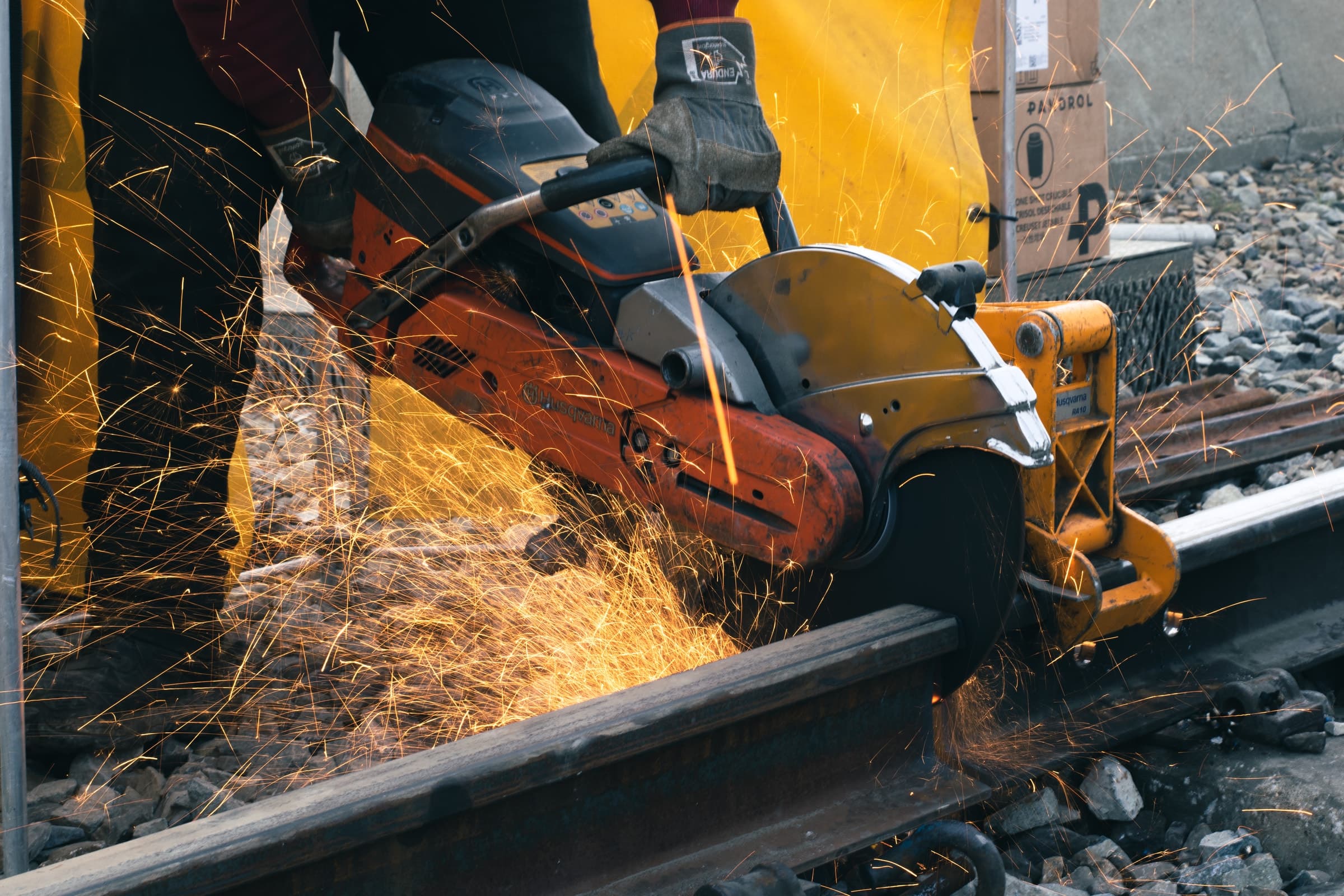
- Cut and align. The rail ends are cut square, spaced to the gap the weld kit specifies, and aligned vertically and horizontally with a crown allowance for cooling.
- Mould and seal. A refractory mould is fitted around the gap and sealed with luting sand.
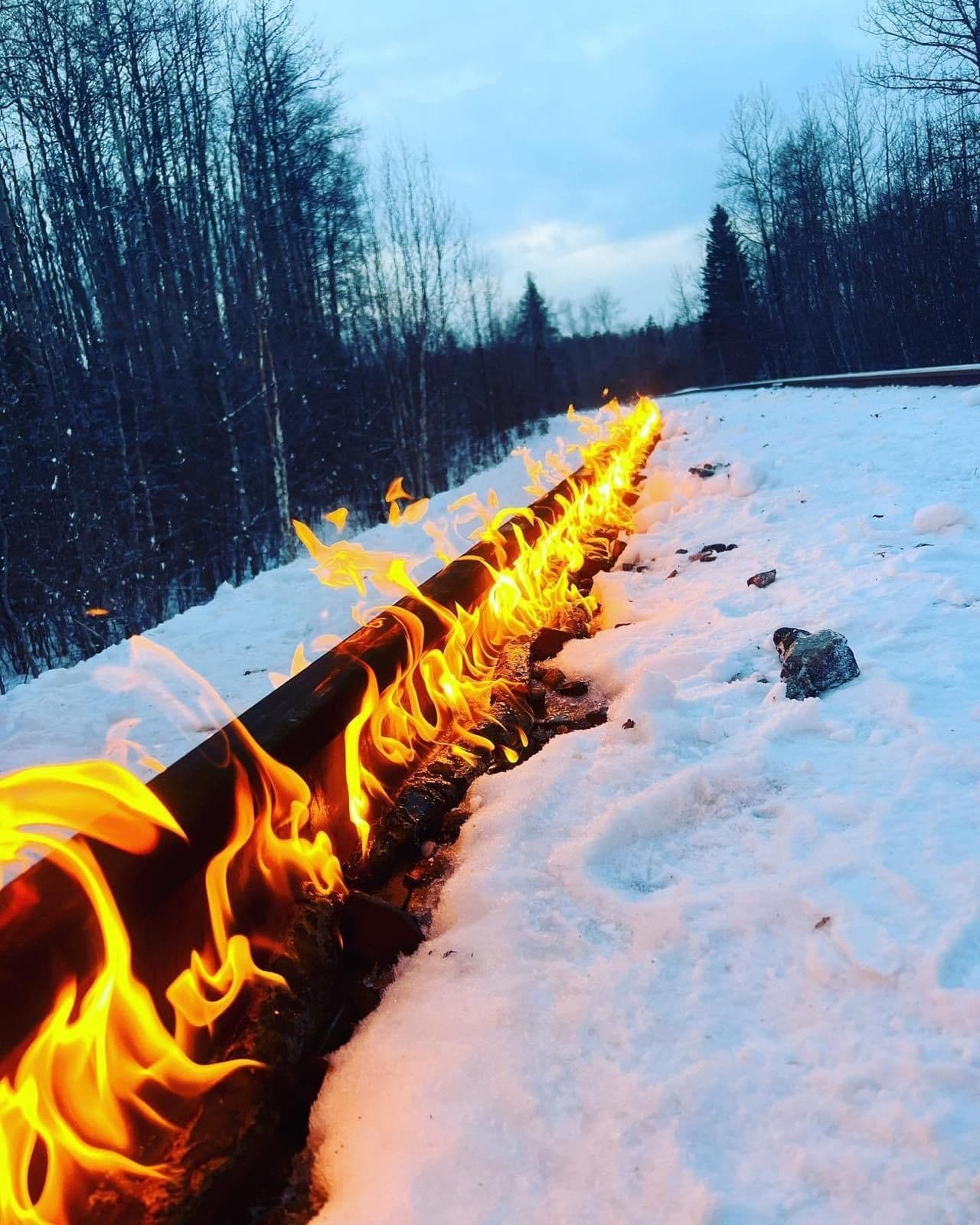
- Preheat. The rail ends are heated with a torch to the temperature the procedure requires, which drives out moisture and prepares the steel to bond.
- Pour. The thermite charge is ignited in the crucible, and the molten steel taps into the mould.
- Shear and grind. After a controlled interval, the excess head metal is sheared off hot, and the weld is ground to profile once it has cooled enough.
- Inspect. The finished weld is checked visually and with a straightedge, and documented for the owner's records.
Rail temperature and stress condition matter. On continuous welded rail, the rail has to be adjusted before welding so that closing the gap does not lock the rail in at a length that will buckle in summer heat or pull apart in winter cold.
Where welding pays off
Joint elimination programs make the most sense where one or more of these conditions apply:
- Heavy or frequent traffic. Loop tracks at grain terminals, unit train loading tracks, and yard leads see the wheel counts that batter joints quickly.
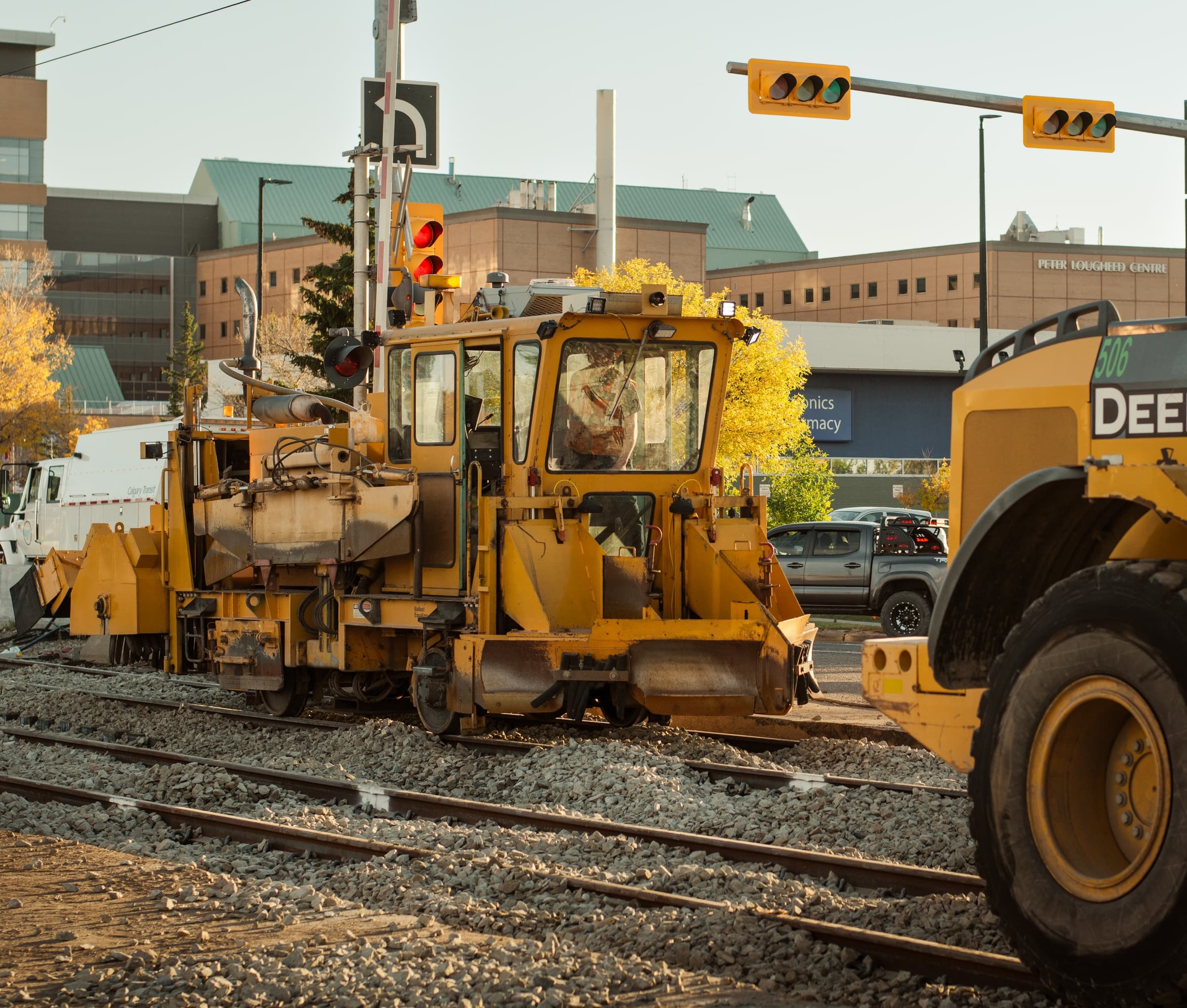
- Geometry maintenance is expensive. If the track is hard to reach with a tamper, or track time is scarce, removing the low joints removes the reason for most spot surfacing.
- Signal circuits or crossings are present. Fewer joints mean fewer bonds and fewer places for a circuit to fail.
- The owner wants a predictable inspection record. Welded track with a documented weld history generates fewer defect reports.
Where a bolted joint still belongs
Bolted joints are not obsolete. They remain the right choice in a few places:
- Insulated joints are required for signal circuits and are bolted by design.
- Temporary connections during construction or staged rehabilitation.
- Turnout components where rail sections change and manufacturer connections are bolted.
- Lightly used spurs where the traffic does not justify the cost of a welding program and the joints are inspected regularly.
Planning a joint elimination program
A program typically begins with a walk of the track to count joints, note rail sections and wear, identify joints that are already defective, and record access for the welding truck. From there the owner and contractor agree on a sequence: worst joints first, then the rest in the order that fits track time. Rail with heavy head wear or mismatched sections may need to be replaced rather than welded.
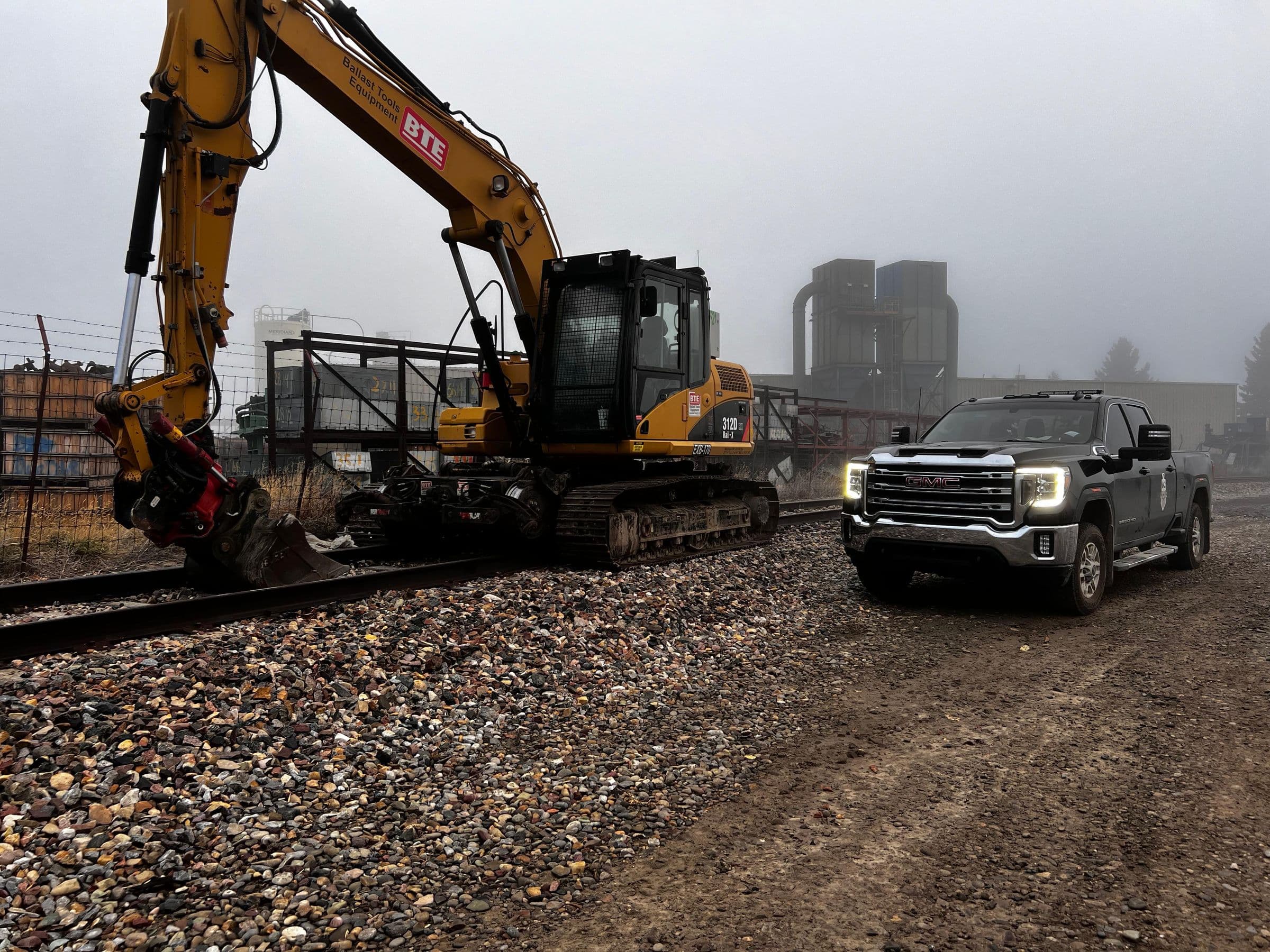
Production depends on access and how much rail adjustment each joint needs. A mobile crew equipped with a rail saw, hydraulic tensor, welding kit, and profile grinder can complete several welds in a shift on accessible industrial track.
What to ask a welding contractor
- Which railway procedures and weld kit manufacturers are the crew qualified on?
- How is rail temperature and stress managed before the pour?
- What inspection and documentation is provided for each weld?
- How are failed welds handled, and what is the warranty position?
Ironhorse field welding crews perform thermite welds for joint elimination, pull-aparts, broken-rail repair, and continuous welded rail programs across Western Canada. The thermite welding service page covers scope and equipment, and the contact page is the place to send a joint count and location for a scoped quote.
Sources and further reading
Planning guidance for owners and procurement teams. Confirm site conditions, applicable jurisdiction, and the track owner's current requirements with qualified personnel before work begins.
Turn the plan into a project brief.
Gather the location, condition information, access windows, and scope before requesting a bid.
Common questions
Can thermite welds be made in cold weather?
Yes, with controls. Rail temperature, preheat, and the stress condition of the rail all matter more in winter. Crews follow the railway's procedure for temperature limits and adjust rail before welding so the finished rail is not locked in at the wrong length.
How many joints can a welding crew eliminate in a day?
Production depends on access, track time, rail condition, adjustment requirements, and the owner's welding procedure. Confirm the proposed quantities and work window with the crew when scoping the job rather than assuming a fixed daily output.