

Railway service
Track Inspections
Routine and condition-led inspections by TIGS-trained personnel across three provinces.
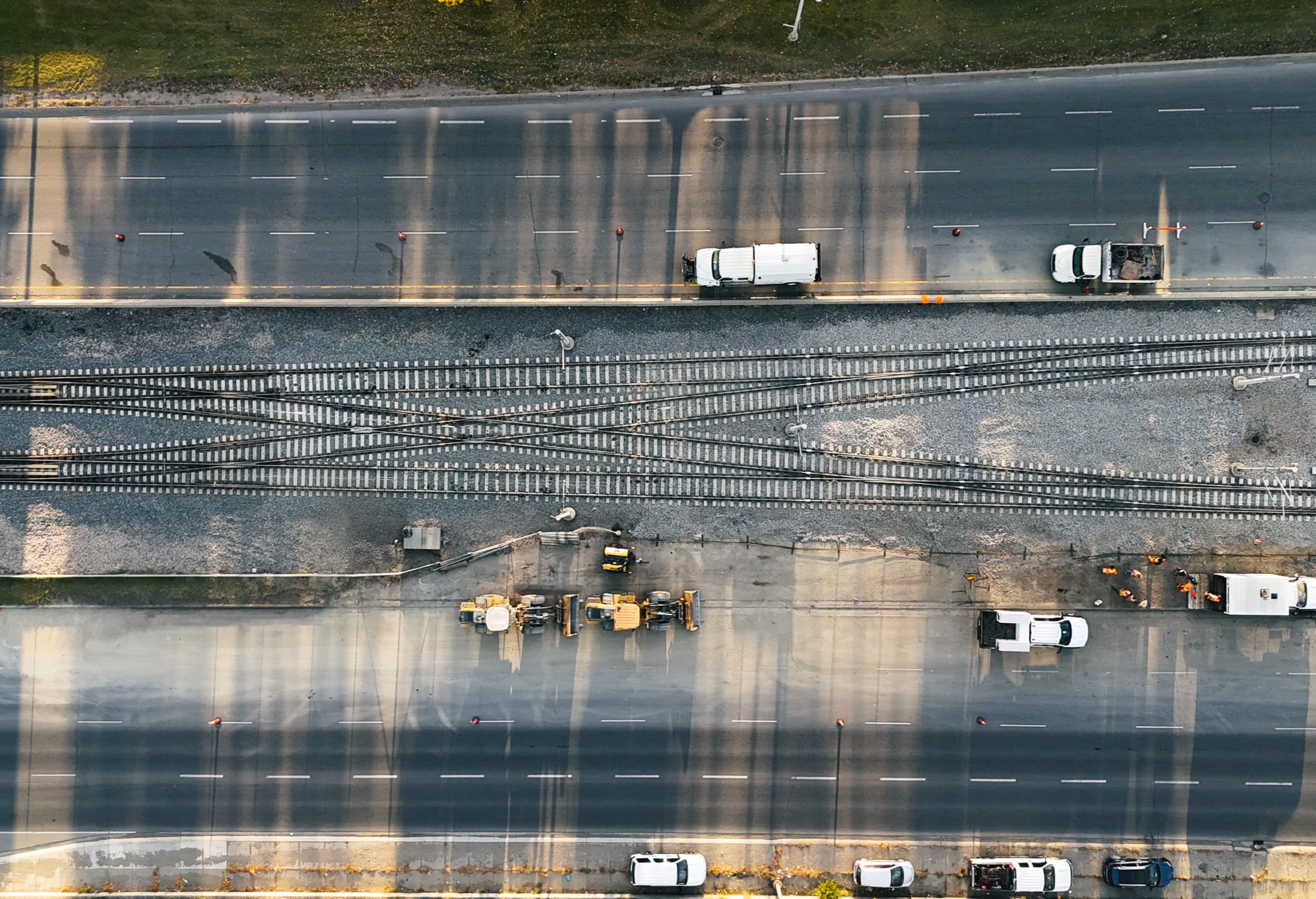
A complete field scope.
Ironhorse provides railway track inspections across Alberta, Saskatchewan, and British Columbia. TIGS-trained personnel are available seven days a week and help identify defects before they become operating failures and can connect findings to practical maintenance and rehabilitation scopes.
How the work moves.
Confirm the standard
Identify the owner, railway, track class, traffic, and reporting requirements.
Inspect the asset
Review rail, ties, fastenings, turnouts, geometry, ballast, drainage, and crossings.
Turn findings into work
Document priorities and help define an executable repair or maintenance scope.
Equipment matched to scope
- Inspection vehicles
- Track gauges
- Geometry tools
- Hi-rail support
- Field documentation systems
Common questions
Answers drawn from Ironhorse's published information and standard railway practice. Project specifics are confirmed in the bid.
Who performs Ironhorse track inspections?
TIGS-trained personnel. Ironhorse publishes that they are available across Alberta, Saskatchewan, and British Columbia seven days a week.
What does an inspection cover?
Rail, ties, fastenings, turnouts, geometry, ballast, drainage, and crossings against the applicable standard, with findings documented so the owner can prioritize repairs.
Can inspection findings become a maintenance plan?
Yes. Findings are used to sequence tie programs, rail work, turnout renewal, drainage, and surfacing into a scope Ironhorse can price and deliver.
Plan with evidence.
Discuss your track inspections project.
Share your location, target dates, and the scope you know. Confirm access and operating requirements with the team before pricing.
Related capabilities
New Track Construction
Industrial spurs, yard tracks, and loop tracks built from sub-ballast through commissioning.
Track Rehabilitation
Tie replacement, rail relay, turnout renewal, drainage work, and surfacing programs.
Emergency Derailment Response
Derailment clearing, re-railing, emergency track repair, and return-to-service support.