

Railway service
Flagging & Track Protection
Qualified protection for utility, municipal, contractor, and maintenance work near live track.
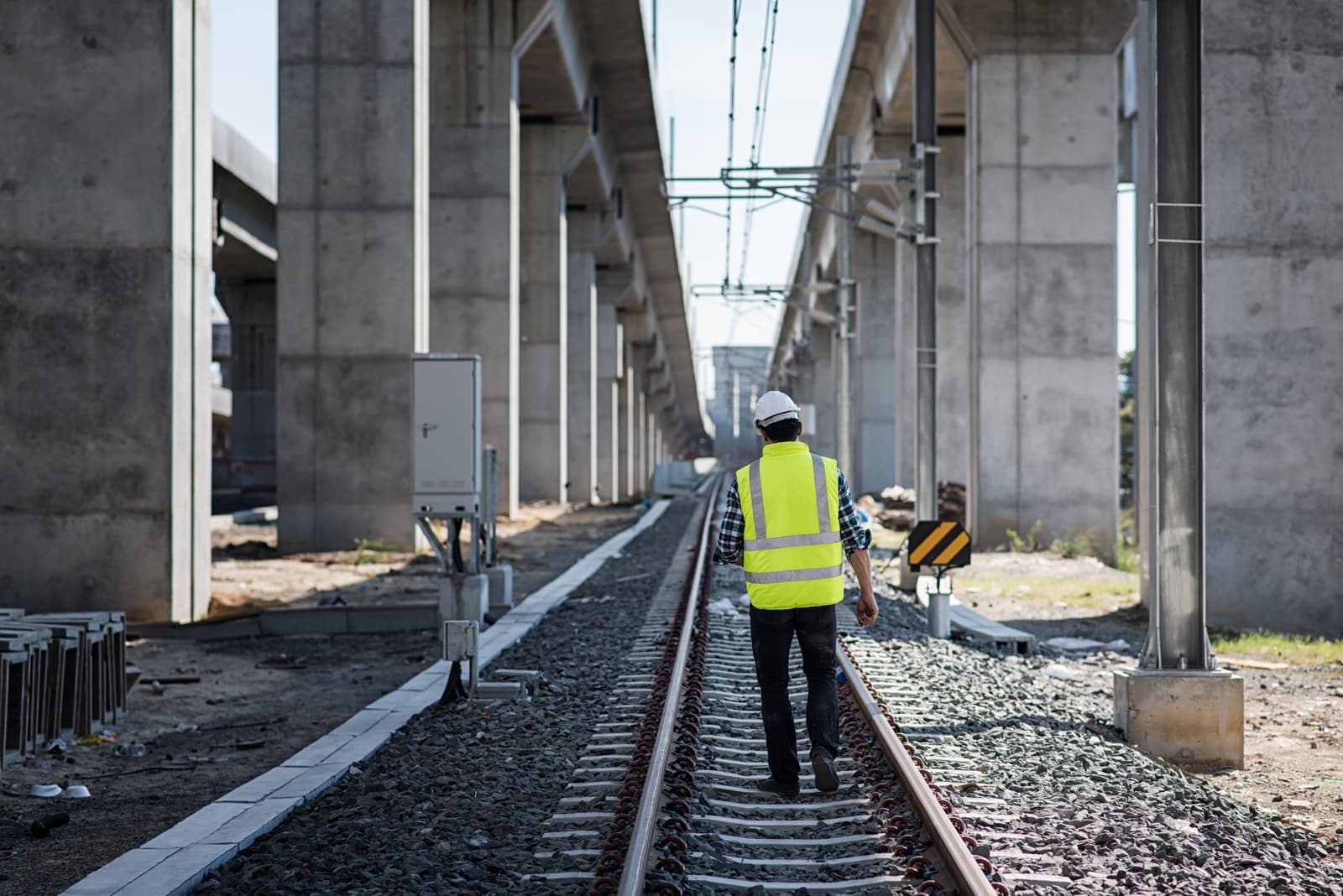
A complete field scope.
Ironhorse supplies qualified flagging and track protection for contractors, utilities, municipalities, and rail owners working near live track. Protection planning is coordinated around the work, railway rules, train movement, and site hazards.
How the work moves.
Review the work
Confirm limits, equipment, personnel, railway interfaces, and train exposure.
Establish protection
Coordinate qualified personnel, authorities, communications, and site controls.
Close the protection
Confirm the work is clear, report status, and release the limits correctly.
Equipment matched to scope
- Hi-rail inspection vehicles
- Communication equipment
- Protection signage
- Fire-watch equipment
- Field documentation
Common questions
Answers drawn from Ironhorse's published information and standard railway practice. Project specifics are confirmed in the bid.
Who needs track protection?
Utilities, municipalities, contractors, and maintenance crews working on or near live track. Protection is arranged under the railway's rules before the work begins.
What is provided?
Qualified personnel, protection arrangements with the railway, briefings for the work crew, and release of the limits when the work is clear.
How far in advance should protection be booked?
As early as possible. Railway approvals and track time drive the schedule, and short-notice requests depend on personnel and railway availability.
Plan with evidence.
Discuss your flagging & track protection project.
Share your location, target dates, and the scope you know. Confirm access and operating requirements with the team before pricing.
Related capabilities
New Track Construction
Industrial spurs, yard tracks, and loop tracks built from sub-ballast through commissioning.
Track Rehabilitation
Tie replacement, rail relay, turnout renewal, drainage work, and surfacing programs.
Emergency Derailment Response
Derailment clearing, re-railing, emergency track repair, and return-to-service support.